Frequently Asked Questions

QWhat are the major goals of the expansion?
A
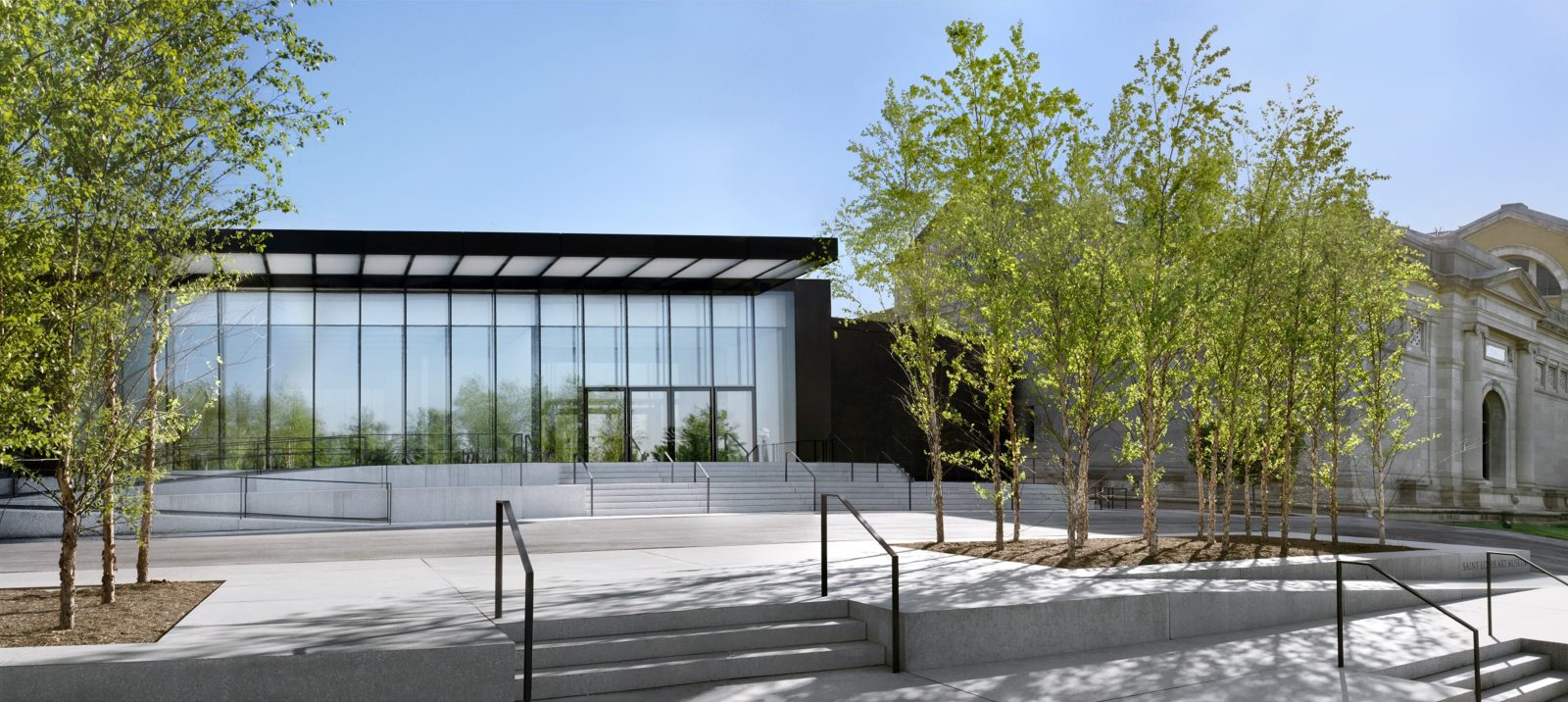
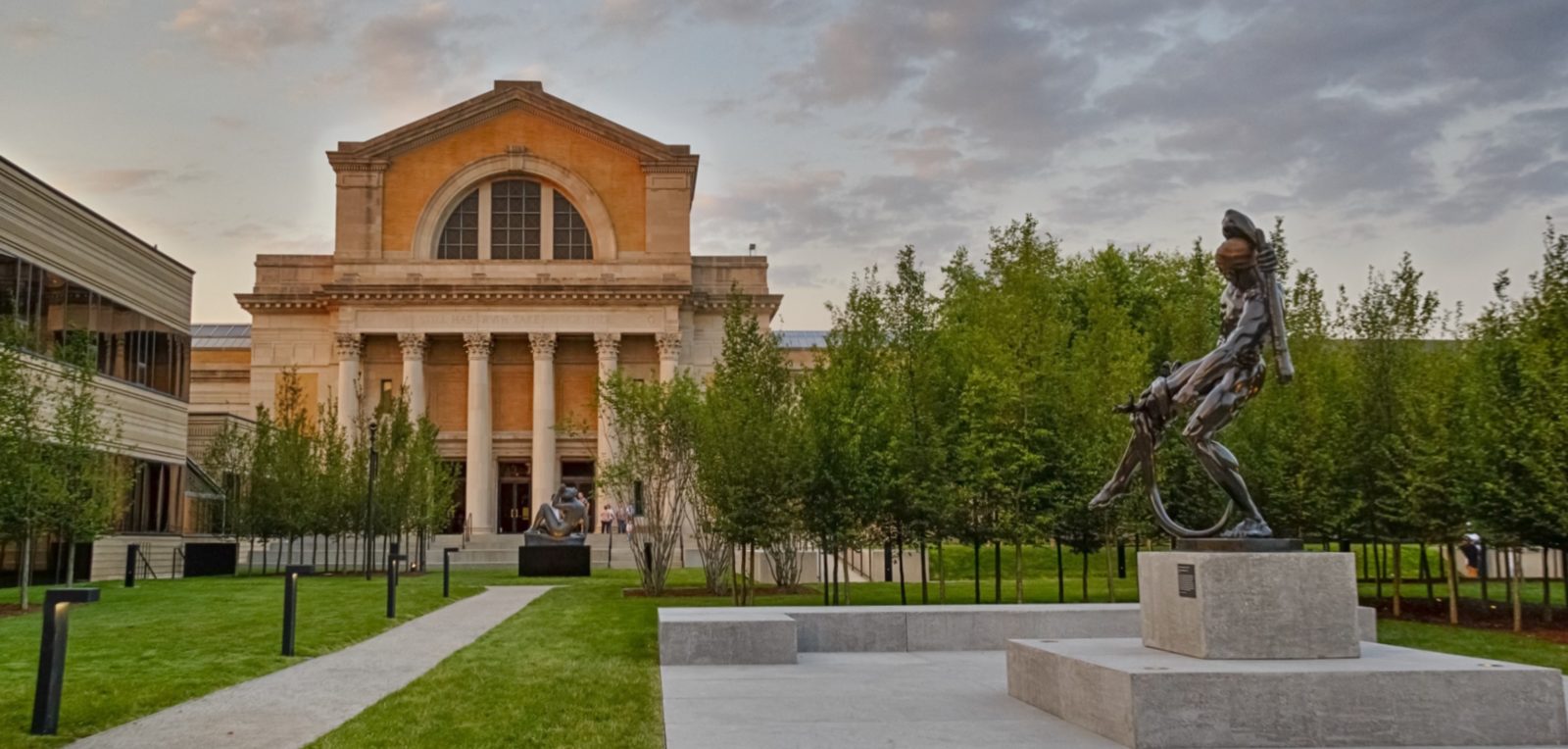
The design process was focused on both practical and philosophical goals. The practical goals comprised creating new gallery space for the collection, expanding and improving visitor amenities, and enhancing operational shortcomings in our century-old building. Philosophical goals were to construct a building appropriate for our time with a distinctive architectural character that stands on its own and complements the Cass Gilbert building, while taking advantage of the Museum’s spectacular site in Forest Park.
QWhen will the expansion project be completed?
A
A public opening of the Sir David Chipperfield–designed expansion is anticipated in June 29-30, 2013.
QIs the Museum open during construction?
A
The Museum is open to the while the expansion is underway. During construction, the Museum continues to host, organize and circulate temporary exhibitions as well as educational and public programming. To see the Museum’s current hours, click here.
QWhy is the expansion necessary?
A
Over the past 125 years, strategic acquisitions by the Museum and magnificent gifts from local benefactors have created a collection that places the Museum among the top ten comprehensive art museums in the country. Our collection has outgrown the Main Building built for the 1904 World’s Fair.

In addition to providing increased gallery space, parking, and expanded education facilities, the design includes extensive improvements that address essential infrastructure deficiencies that have challenged the institution for more than a century.
QHow is the project being funded?
A
The expansion and endowment are being privately funded through gifts to the capital campaign, foundation support, and proceeds from the sale of tax-exempt bonds. While tax proceeds continue to provide critical annual support for the Museum’s operations, no tax funds will be used for the expansion.

We want to thank all our donors, without whose help the project would not have happened. Gifts at all levels have been and continue to be important for this historic effort for the future of the Museum.
QWho is building the project?
A
Tarlton/Pepper/KAI, through a joint venture, is the general contractor for the Museum’s expansion project. St. Louis-based Tarlton Corp. is one of the largest privately held firms in St. Louis; KAI Design & Build is based in St. Louis; Pepper Construction Group is based in Chicago. To learn more about the project, please visit Tarlton Corp.’s website.
QHow was the architect selected?
A
An Advisory Committee began a search for an architect in October 2004 following its appointment by the Museum’s Board of Commissioners. The members considered more than 100 qualified candidates, traveled widely to look at other significant museum expansions, and interviewed potential candidates. After this extensive process, the committee unanimously recommended Sir David Chipperfield.

London-based David Chipperfield Architects (DCA) has won some of Europe’s most prestigious commissions, including the award-winning restoration of the Neues Museum and master plan for Museum Island in Berlin; the America’s Cup Pavilion in Valencia, Spain; the Museum Folkwang in Essen, Germany; and most recently The Turner Contemporary and The Hepworth Wakefield, both in England. Chipperfield’s U.S. projects include the Figge Art Museum in Davenport, Iowa; the Anchorage Museum at Rasmuson Center; and a masterplan for the Penn Museum at the University of Pennsylvania.

The Museum and the design architect selected local architect, HOK for the technical leadership of the project team.

HOK is a global architectural firm that provides planning and design solutions for high-performance, sustainable buildings and communities. Through its collaborative network of 24 offices worldwide, the firm delivers design excellence and innovation to clients globally. Founded in 1955, HOK’s expertise includes architecture, interiors, planning and urban design, engineering, strategic facility planning, consulting, lighting, graphics and construction services. In 2012, DesignIntelligence ranked HOK as the #1 role model for sustainable and high-performance design for the third consecutive year.

You can read more about DCA by visiting this website.
You can read more about HOK by visiting this website.
QWho was selected to design the expansion’s landscape features?
A
Michel Desvigne was appointed as landscape architect in December 2006. Desvigne is no doubt the most high-profile French landscape architect working today. He has collaborated with architects Richard Rogers, Norman Foster, Renzo Piano, I M Pei, Herzog and de Meuron, and Jean Nouvel. Based in Paris, Desvigne has taught at Harvard University’s Graduate School of Design.

Desvigne’s projects include the French Ministry of Culture in Paris, Millennium Park in London’s Greenwich Peninsula, several modern art museums’ gardens – Utrecht (Netherlands), Antwerp (Belgium), and Parc Drai (Luxembourg) – and more recently a project at the Keio University in Tokyo. Desvigne’s projects in the U.S. include the Dallas Centre for Performing Arts and the Walker Art Center in Minneapolis. In 2011 he was awarded the French Grand prix de l’Urbanisme.
QWhat is the impact of the Museum’s plan on Forest Park?
A
The design for the Museum’s expansion falls within the parameters of the Museum’s 1997 lease with the City of St. Louis and conforms to the Master Plan for Forest Park. For more information about the Museum’s lease, click here. For the Forest Park Master Plan, click here.
QWill the new building be Green? Are there plans for it to be LEED-certified (Leadership in Energy and Environmental Design)?
A
Developed by the U.S. Green Building Council, LEED certification indicates that a project has met set standards for environmentally sustainable construction. The expansion project was designed in accordance with these standards. The Museum will seek LEED certification for the project on completion.
QWill minority contractors participate in this project? Will this project create jobs for St. Louis?
A
The Museum has exceeded the Minority-Owned Business Enterprise (MBE) and Women-Owned Business Enterprise (WBE) guidelines as incorporated in the Museum’s lease. The two-year construction project involved 1300 individual tradesmen working in all the building trades. Of the 34 subcontractors who have worked on the project, all but three have been St. Louis companies.

Upon reopening, the Museum plans to add 25 new full-time employees to serve visitors and maintain the expanded facility.
QWill parking be adequate?
A
The expansion will include space for approximately 300 cars, in a below-grade Parking Garage—more than doubling the parking capacity of the prior paved and gravel lots combined. The Garage will also be available after hours for Forest Park events, by arrangement. While there will be a charge for Garage parking, free public parking will be available in the two public lots located in front of the Museum off Fine Arts Drive.
QWhere can I find additional information?
A
Please visit us. The expansion model is on display in Sculpture Hall. We also welcome your questions and comments. Please send us an email at expansioninfo@slam.org.
QHow will the expansion affect the museum’s dining options? Can new dining facilities be booked for private events?
A
In anticipation of the Museum’s Grand Opening in June, the temporary cafe in Gallery 213 will close on April 1. Subsequently, there will be no food service at the Museum until the end of June, when the new Museum Restaurant (on Level 2) and new cafe (on Level 1) will open with the rest of the East Building.

We are currently taking reservations for private events in several East Building facilities, including the restaurant.
e-Newsletter

Press Contact Site Map Terms of use