Henry “Hank” Delano Gobin (Kwi Tlum Kadim), Tulalip and Snohomish, 1941–2013; Northwest Design (detail), 1966; casein, tissue paper, and ink pen on paper; 18 x 22 inches; Collection of the IAIA Museum of Contemporary Native Arts: SNH-6 2023.158; © Estate of Henry "Hank" Delano Gobin
The exhibition audio guide shares commentary on modern Native American art, expanding the narrative of midcentury abstraction. Listen to the director’s welcome, associate curator Alex Marr, artists, and scholars as they share their experiences and perspectives.
-
Access and Assistance
Free Public Wi-Fi
The Saint Louis Art Museum offers free Wi-Fi to visitors. From your device, access the SLAM_GUEST network.
Large Print Labels
Large-print labels are available on your own device and upon request at the Taylor Hall Welcome Desk.
AUDIO GUIDE TRANSCRIPT
The audio guide transcript is available to view on your own device.
Introduction
- Transcript
Speakers
Min Jung Kim
Barbara B. Taylor Director
Saint Louis Art MuseumAlex Marr
Associate Curator of Native American Art
Saint Louis Art Museum[Min]
Hello, I am Min Jung Kim, Barbara B. Taylor Director of the Saint Louis Art Museum.I am delighted to welcome you to the audio guide for Action/Abstraction Redefined: Modern Native Art, 1940s–1970s. This exhibition highlights groundbreaking paintings, sculptures, textiles, and works on paper by Native American studio artists from the postwar era. Combining styles, media, and methods of International Modernism with motifs and subjects from ancestral Native arts, the works in this exhibition expand the narratives of midcentury abstraction. To tell you more, I would like to introduce Alex Marr, associate curator of Native American art.
[Alex]
Thank you, Min.Ninety-one works trace the emergence of the contemporary Native American art movement in the postwar era. By the late 1940s some Indigenous artists began to combine abstractions from ancestral art forms with the vocabularies of Modern art. These early explorations opened possible trajectories for Native artists to move beyond an inherited genre of figural painting. However, entrenched economic and aesthetic systems continued to limit Indigenous artistic expression.
In 1962 the founding of the Institute of American Indian Arts marked a turning point. Most paintings, sculptures, textiles, and works on paper in this exhibition were made by students at IAIA. Experimenting directly with materials while studying Native American cultural heritage, students sparked an outpouring of innovation that continues to reverberate today.
As the first ticketed exhibition at the Saint Louis Art Museum to focus on Native American art from the 20th century, this presentation results from a collaboration with the Museum of Contemporary Native Arts at IAIA.
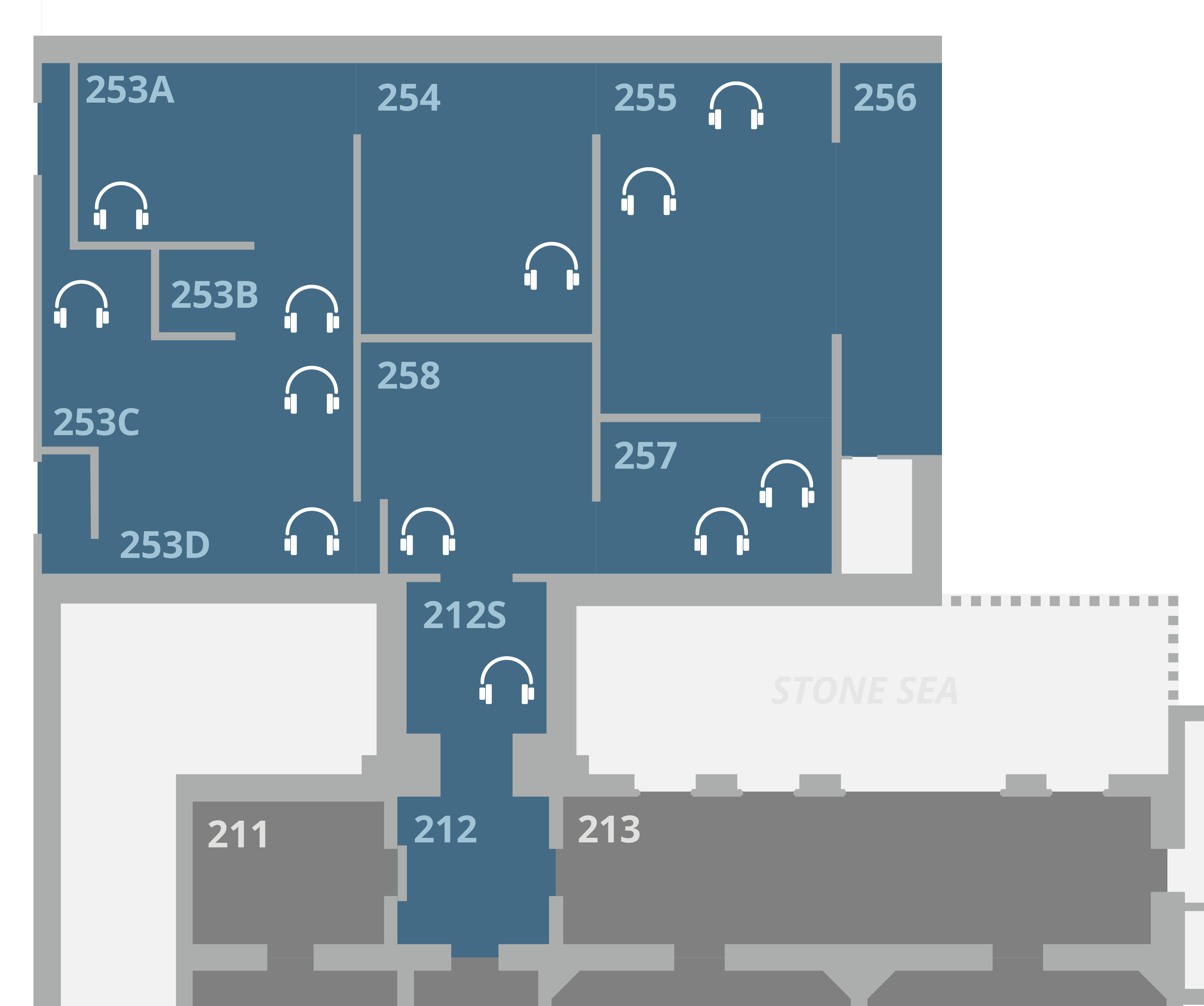
This audio guide features the voices of many artists in the exhibition. We encourage you to experience this guide in any order that you like. You may follow it in numeric sequence or pick and choose. You can locate each featured work by following the floorplan on this webpage or by identifying the audio icon on gallery labels.
Whether you are listening from home or the exhibition galleries, I hope you enjoy this audio guide to Action/Abstraction Redefined: Modern Native Art, 1940s–1970s.
- Gallery Text
Action/Abstraction Redefined
Modern Native Art 1940s-1970sAbstraction has been a part of Indian artistic thinking longer than most European contemporary influences and perhaps in truer form.
-Richard West Sr.
Tsistsistas/Suhtai (Cheyenne) artist, 1955The artists featured in this exhibition challenged stereotypical expectations of Native American art in the post-1945 era. Seeking to revolutionize materials, markets, and styles associated with Native American art, they combined abstractions from ancestral textiles, ceramics, and murals with media and approaches from contemporaneous global art practices.
In the 1940s Native American artists began to explore abstract composition in studio-based practice. By the early 1960s, conferences, workshops, and tentative reforms in federal policy led to the founding of the Institute of American Indian Arts (IAIA) in Santa Fe, New Mexico.
The teaching philosophy at IAIA emphasized “cultural difference as the basis for creative expression.” This concept, articulated and institutionalized by artist and administrator Lloyd Henri “Kiva” New, promoted study of Native aesthetics and individual experimentation. Students also learned about global art history and contemporary art movements. This artistic approach sparked an outpouring of innovation.
Work by students and teachers received widespread recognition through national and international exhibitions, press, and awards. Some figures, such as T. C. Cannon and Fritz Scholder, became the most celebrated Native American artists of their generation. The success of IAIA also inspired grassroots efforts and individual careers across North America, fueling a broad movement in contemporary Native American art that continues to reverberate across the United States today.