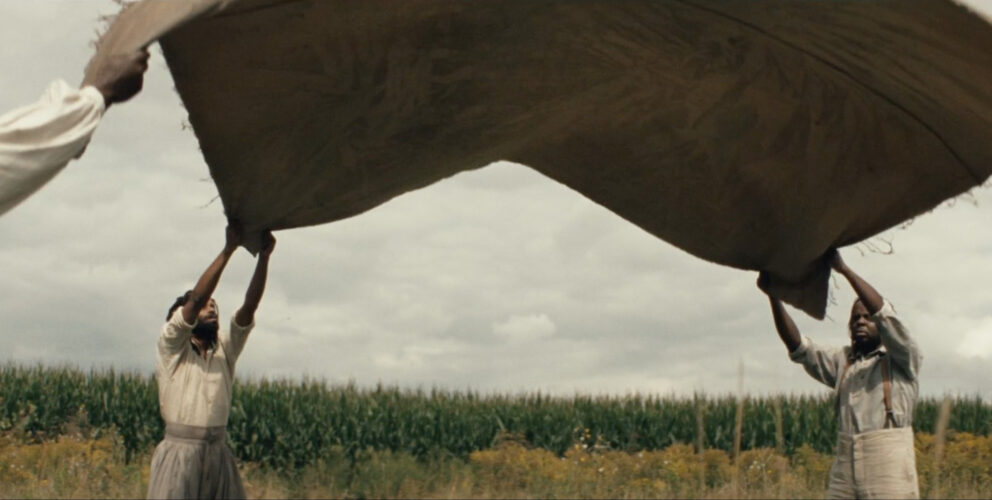
Manuel Mathieu, Haitian, born 1986; Pendulum, 2023; single channel video with sound; duration: 11 minutes 16 seconds; Courtesy of the artist 2024.324; © Manuel Mathieu
Manuel Mathieu: Pendulum uses text, sound, and choreography to demonstrate the complexity of individual and shared experiences; explore generational knowledge and histories; and depict symbolic representations of freedom.
The artist, Manuel Mathieu, has answered a few questions about the short film, which is on view through November 30, 2025, in Gallery 301. The exhibition is curated by Justice Henderson, the 2023–2025 Romare Bearden Graduate Museum Fellow, along with Simon Kelly, curator of modern and contemporary art.

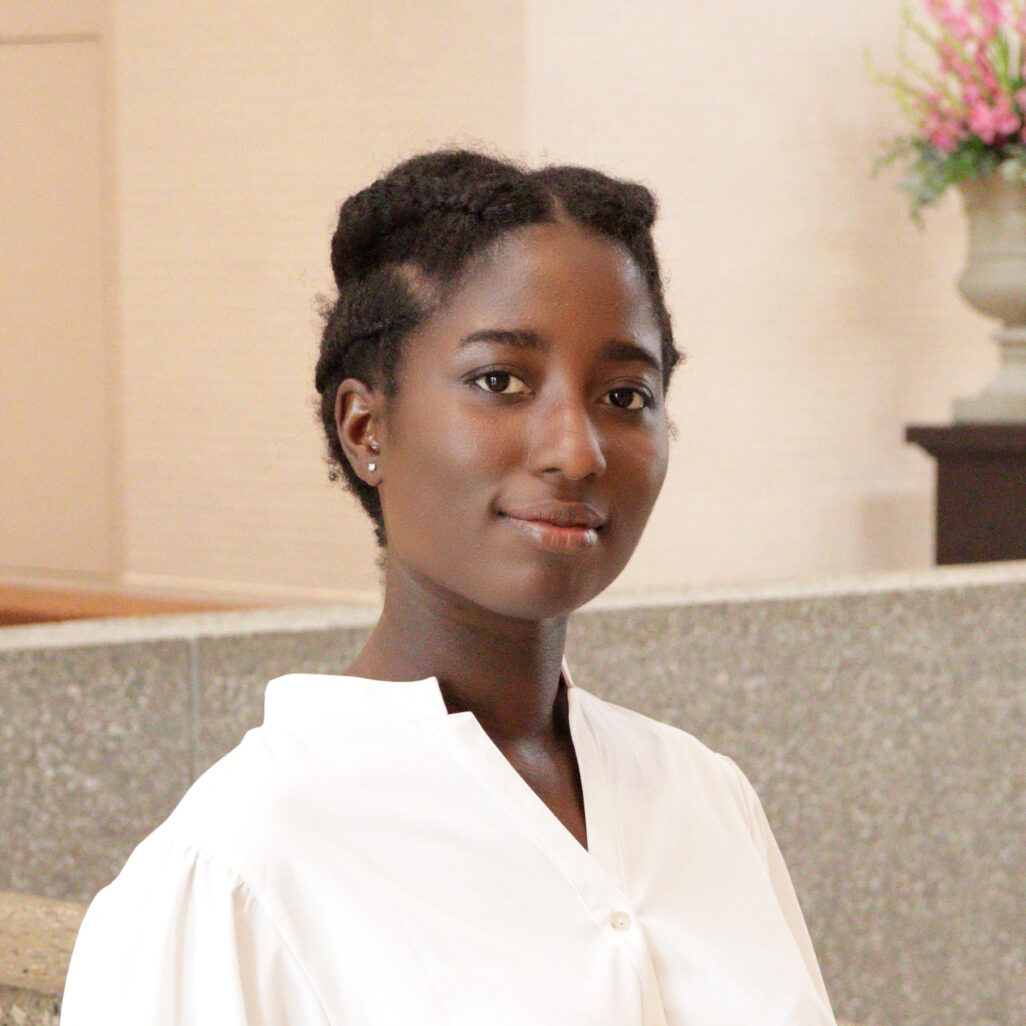
Manuel Mathieu, photo by Jeanne Tétreault
What inspired you to create Pendulum?
I was asking myself questions about my freedom, such as what it meant and whether it came at a cost. No matter how I tried to answer these questions, there was never an easy answer. I understood that a painting was too direct to encapsulate those complexities. I needed a medium where things could unfold, where time itself could be part of the expression. Don’t get me wrong, there is temporality in a painting, but the raw material in the act of painting is paint. In a film, I came to realize that the raw material is the people, more precisely the actress and actors, and everything that they carry with them.
Your artistic practice explores painting, sculpture, installation, and time-based media. How did you incorporate your multidisciplinary practice into the making of the film?
The soil, fabric, sculpture, and symbolism are all tools that are present in my work. To put them in relation through time made me more sensitive to the transition between them. They have to coexist—enter inside one another, just like words in a poem. They need to learn when to disappear, enhance other parts, all in mind and global coherence—what I just described feels very much like composing a painting.
Throughout the process, I had to sit with the question: How do I create spiritual value within time? My ceramic practice taught me about the importance of creating spiritual value by combining simple elements. I also used symbolism to create meaning that operates in many dimensions.
A good film, like a good painting, a good book, or a good poem, should remain open-ended. It should invite you to shed parts of yourself in the process, to let go and return changed.
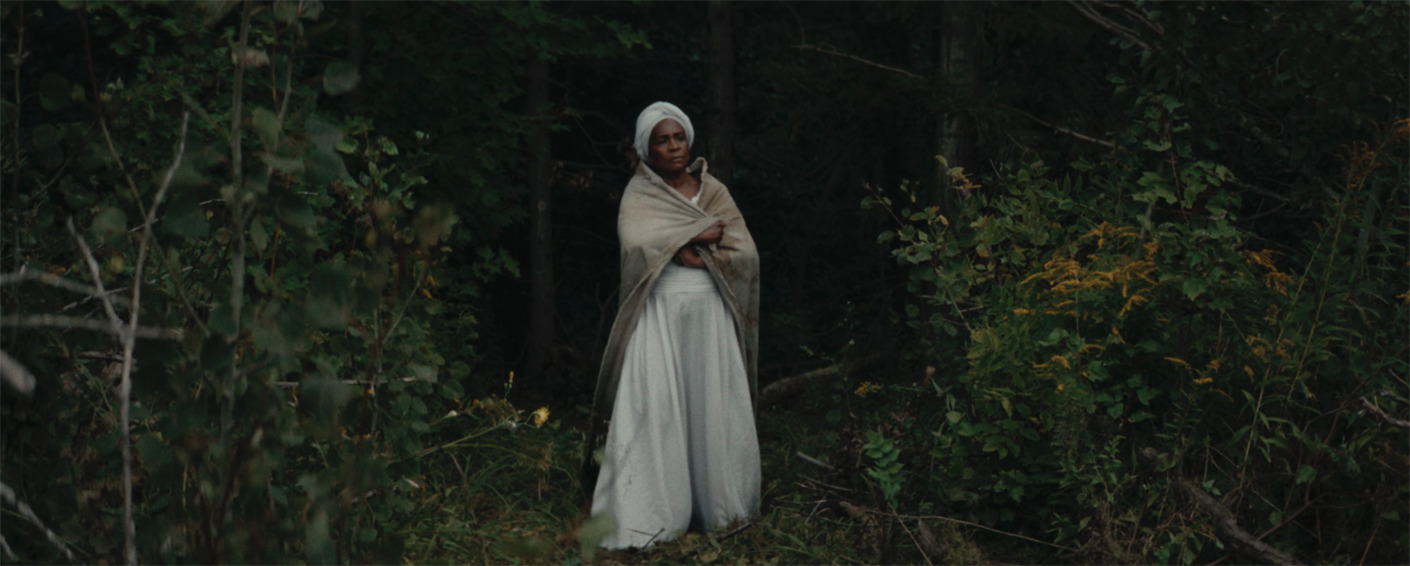
Manuel Mathieu, Haitian, born 1986; Pendulum, 2023; single channel video with sound; duration: 11 minutes 16 seconds; Courtesy of the artist 2024.324; © Manuel Mathieu
The actress and actors each play an important role. What is their relationship to each other and the idea of freedom?
The actress and actors play a vital role, but in my view, they represent one entity. They represent what it means for me to be Black and try to find peace in this world. The experience of freedom is tied to a collective experience of ourselves. If we can’t have empathy and understand that we are all coming to the discussion with different backgrounds, scars, and privileges, then I can’t see a world where freedom can be really claimed for all.
Once we are all aware of each other—of the collective—we must build on that awareness. We have to learn how to fight for freedom, to preserve it, and more importantly, to pass it on to the following generations.
What is fascinating for me with Pendulum is that everyone can connect with that weight—the cycle of carrying and enduring. That burden is tied not only to Blackness or identity but to the very condition of being human. It reflects the struggles we all bear as we try, in our own ways, to exist. Pendulum attempts to underline the singularities of that burden while emphasizing how interconnected we remain in our pursuit of liberation.

Manuel Mathieu, Haitian, born 1986; Pendulum, 2023; single channel video with sound; duration: 11 minutes 16 seconds; Courtesy of the artist 2024.324; © Manuel Mathieu
What did you learn while developing Pendulum?
I learned that there is no definitive answer to that question about freedom. I learned that there are questions like that, that are simply existential; they are meant to be felt, reflected on, and stay with us as we move through life. Because our freedom is something that is continuously in relation with the world and the people around us, it’s dynamic, fluid, and ever-shifting, not unlike trying to define love. These concepts don’t present themselves fully formed—they reveal their layers as we discover more of ourselves.
I’ve come to understand that we are made of profound contradictions. Engaging with these questions—freedom, love, identity—is a lifelong process, one where clarity comes and goes. What I’ve truly learned is to become more at peace with the uncertainty that defines us, and in recognizing the cyclical nature of time, I’ve realized the importance of patience.
What do you hope visitors take away from the film?
What I hope visitors take away is not a conclusion, but a set of questions. I want them to ask themselves, “What is it that I’m carrying within me that feels heavy, like a trap, or an infinite cycle? How does that feeling affect my relation to the world and, more importantly, to the people in it?” If the film lingers, if it stirs reflection on those inner burdens and the cycles we all navigate, then it has done its work.