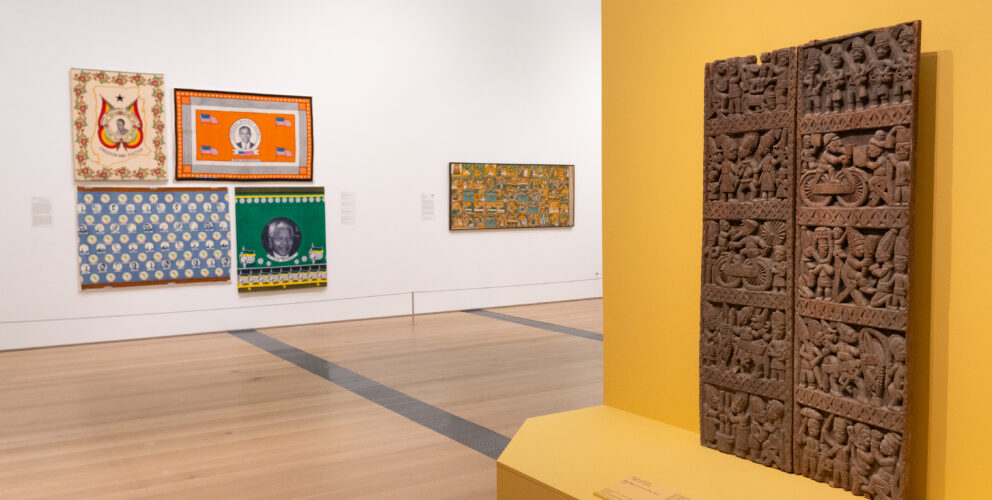
Installation view of Narrative Wisdom and African Arts
Three artists featured in the Narrative Wisdom and African Arts exhibition and catalogue use photography to honor history, bear witness, and disseminate truth. This is especially apparent in the “Leadership and Power Play” section of the exhibition, which features the distinct photographic styles of Fabrice Monteiro, Moneta Sleet Jr., and Samuel Fosso.
“Leadership and Power Play” considers the symbolic representation of certain royal and elite arts commissioned by kings and chiefs from selected west and central African kingdoms and chieftaincies. In addition, 20th- and 21st-century studio-based and local arts commemorate pan-African leaders and the origins or legacies of their power. For example, a set of images by Fosso, an award-winning Cameroonian-born Nigerian photographer, honors four leaders from across the African diaspora, or the dispersion of Africans and their descendants.
-
Samuel Fosso, Cameroonian (active France), born 1962; Untitled (Haile Selassie), from the series African Spirits, 2008; gelatin silver print; Courtesy Jean Marc Patras, Paris; © Samuel Fosso
-
Samuel Fosso, Cameroonian (active France), born 1962; Untitled (Dr. Martin Luther King Jr. at the Lectern), from the series African Spirits, 2008; gelatin silver print; Courtesy Jean Marc Patras, Paris; © Samuel Fosso
-
Samuel Fosso, Cameroonian (active France), born 1962; Untitled (Patrice Lumumba), from the series African Spirits, 2008; gelatin silver print; Courtesy Jean Marc Patras, Paris; © Samuel Fosso
-
Samuel Fosso, Cameroonian (active France), born 1962; printed by Griffin Editions, Brooklyn, New York, founded 1996; Untitled (Nelson Mandela), from the series African Spirits, 2008, printed 2022; gelatin silver print; 40 x 30 inches; Saint Louis Art Museum, Friends Fund 116:2022; © Samuel Fosso
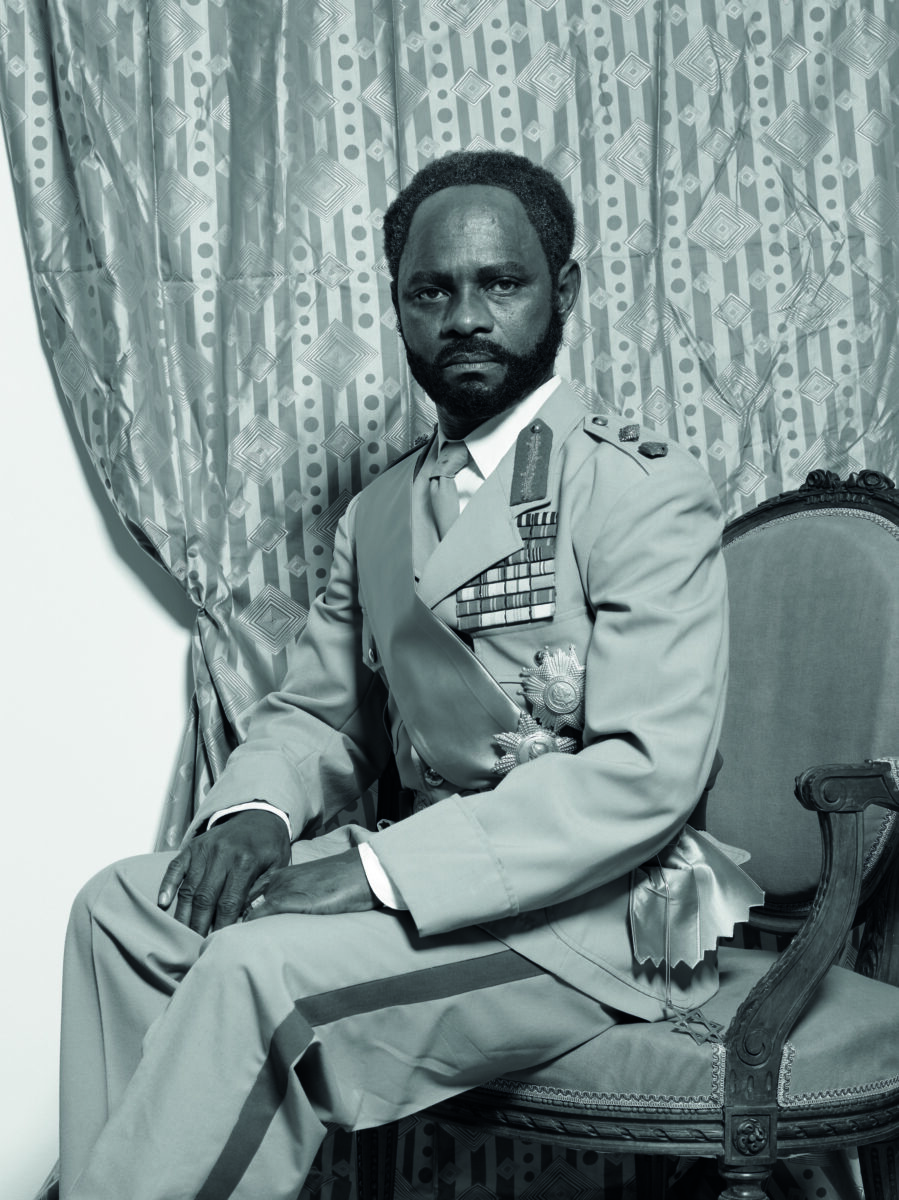
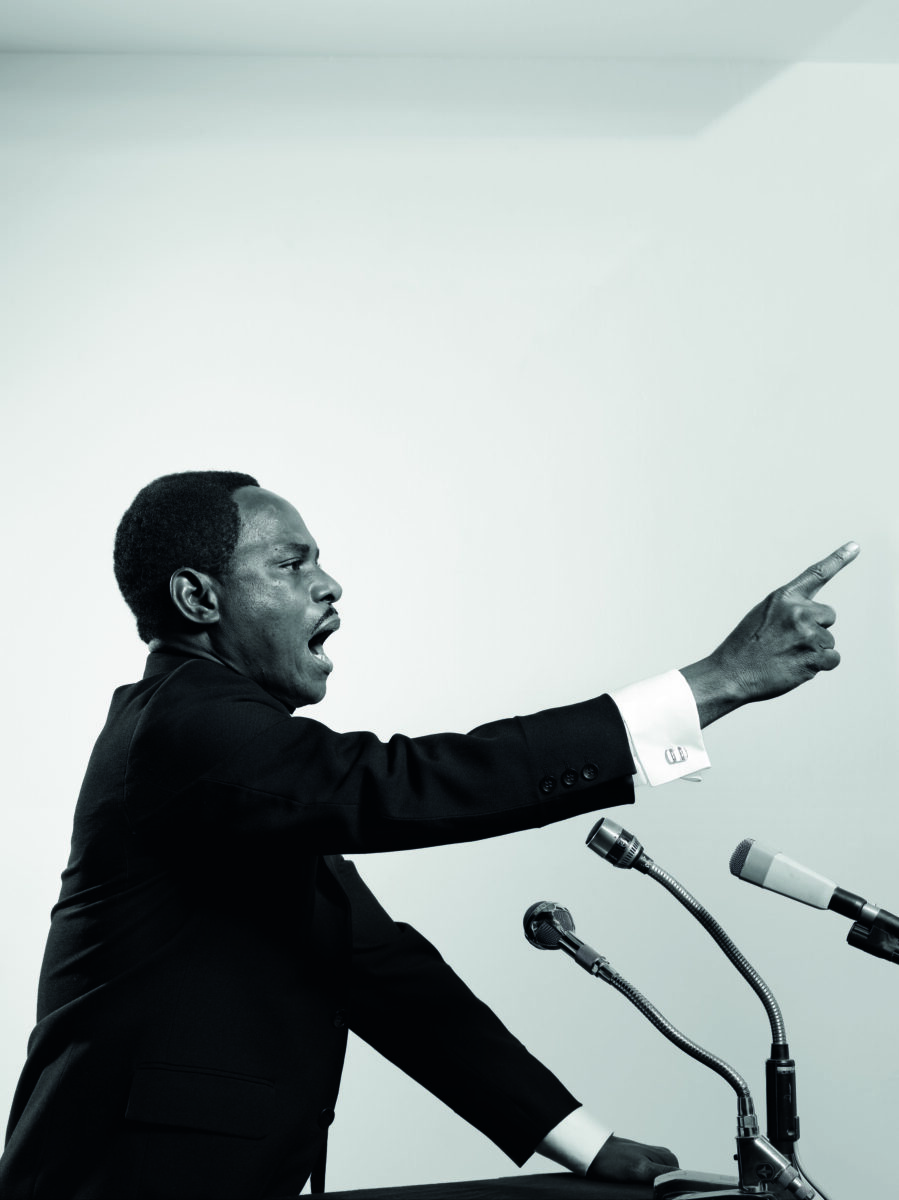
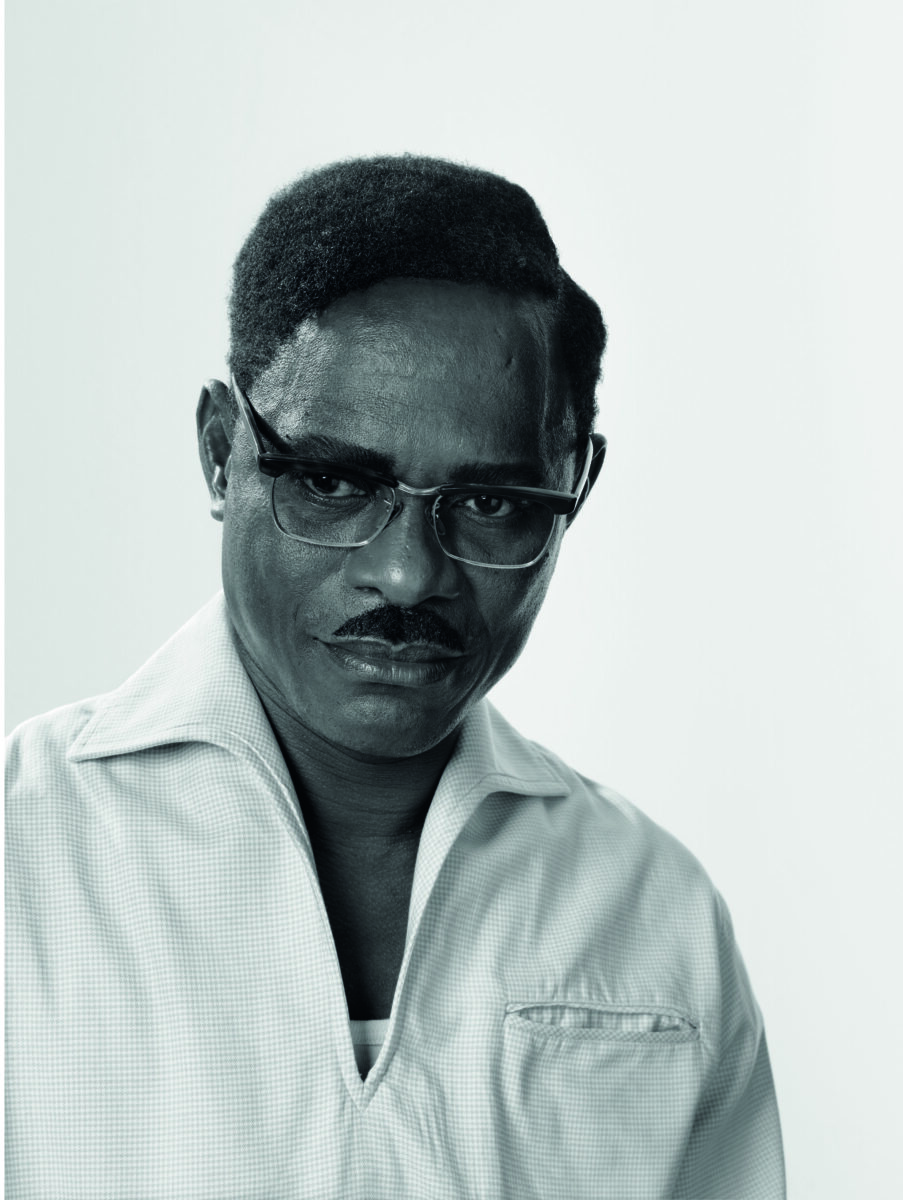
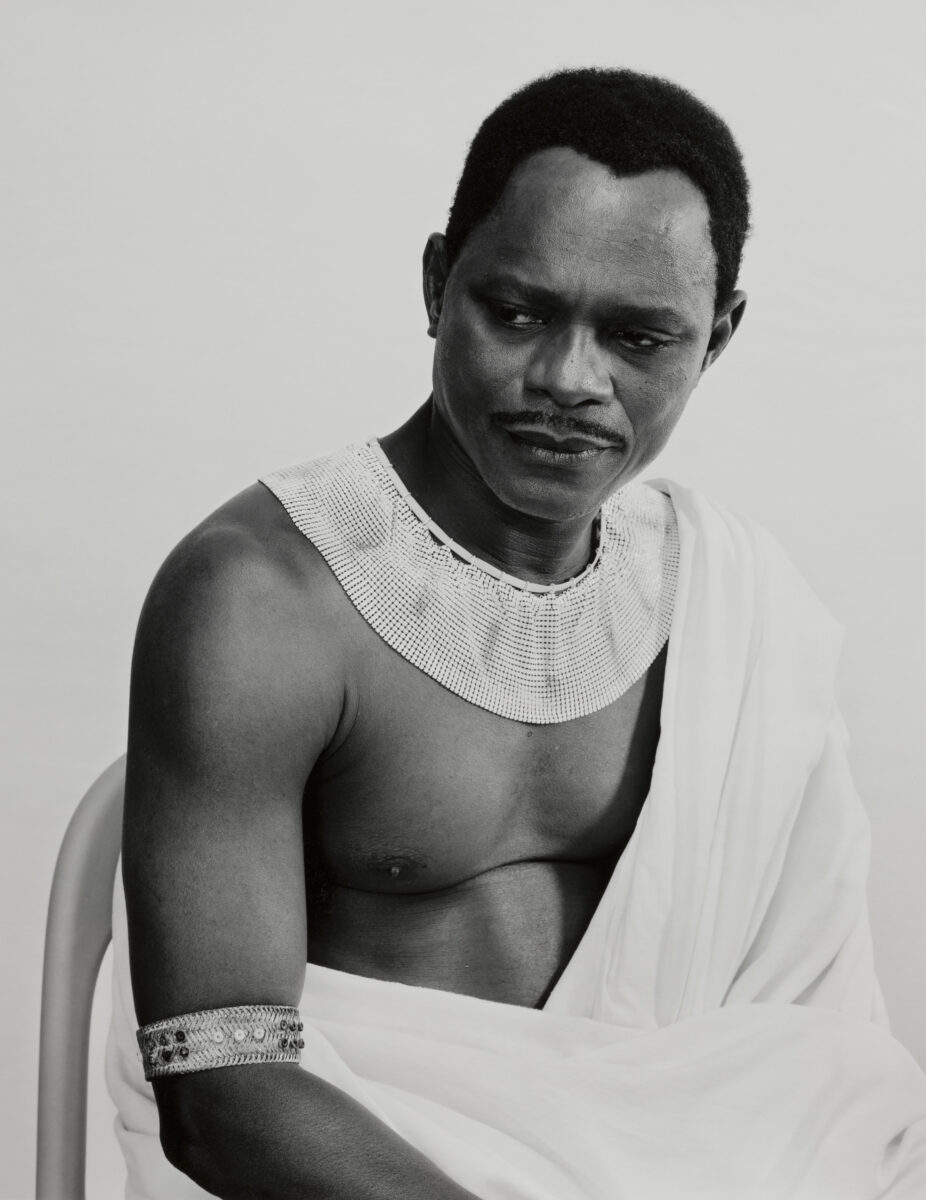
Part of a series of 14 photographs, the four images show Fosso acknowledging that he is a beneficiary of African independence and African American civil rights activism and leadership. The artist commemorates Haile Selassie, Dr. Martin Luther King Jr., Patrice Lumumba, and Nelson Mandela. The additional 10 images in the series honor other leaders.
I am free! . . . I felt it necessary to pay homage to those who liberated me.
—Samuel Fosso, 2008
In these portraits, Fosso collapses past and present, as well as the self and the other, to convey each pan-African leader as heroically mythic. The artist situates himself as an extension of these heroes by embodying them—referencing specific historical photographs of each—through his long-practiced mode of photographic self-portraiture. The series African Spirits asserts that these iconic Black figures compose a pantheon from which African and African diasporic people can draw inspiration and personal power.
Individuals across the global African diaspora closely followed and were inspired by the mid-20th-century pursuits of African countries for independence from colonialism. Black Americans empathized with these movements alongside their own quest for civil rights in the United States. The photojournalist Sleet documented newly sovereign African countries for African American readers of Ebony magazine.
-
Moneta Sleet Jr., American, 1926–1996; Participant at Ghana's Independence wearing textile with portrait of Kwame Nkrumah, 1957, printed c.1970; gelatin silver print; 13 3/4 x 9 inches; Saint Louis Art Museum, Gift of the Johnson Publishing Company 446:1991; © Johnson Publishing Company Archive, Courtesy Ford Foundation, J. Paul Getty Trust, John D. and Catherine T. MacArthur Foundation, Andrew W. Mellon Foundation and Smithsonian National Museum of African American History and Culture
-
Moneta Sleet Jr., American, 1926–1996; Prime Minister Jomo Kenyatta of Kenya greeting Mau Mau resistance fighters during Independence Celebration Ceremony, 1963, printed c.1970; gelatin silver print; image: 13 3/4 x 10 1/4 inches, sheet: 13 3/4 x 10 1/4 inches; Saint Louis Art Museum, Gift of the Johnson Publishing Company 443:1991; © Johnson Publishing Company Archive, Courtesy Ford Foundation, J. Paul Getty Trust, John D. and Catherine T. MacArthur Foundation, Andrew W. Mellon Foundation and Smithsonian National Museum of African American History and Culture
-
Moneta Sleet Jr., American, 1926–1996; Haile Selassie I, Emperor of Ethiopia - New York, 1963, printed c.1970; chromogenic print; 19 1/8 x 14 5/8 inches; Saint Louis Art Museum, Gift of the Johnson Publishing Company 386:1991; © Johnson Publishing Company Archive, Courtesy Ford Foundation, J. Paul Getty Trust, John D. and Catherine T. MacArthur Foundation, Andrew W. Mellon Foundation and Smithsonian National Museum of African American History and Culture
-
Moneta Sleet Jr., American, 1926–1996; William Vacanarat Shadrach Tubman, President of Liberia, 1964, printed c.1970; chromogenic print; sheet: 13 11/16 x 9 1/4 inches; Saint Louis Art Museum, Gift of the Johnson Publishing Company 472:1991; © Johnson Publishing Company Archive, Courtesy Ford Foundation, J. Paul Getty Trust, John D. and Catherine T. MacArthur Foundation, Andrew W. Mellon Foundation and Smithsonian National Museum of African American History and Culture
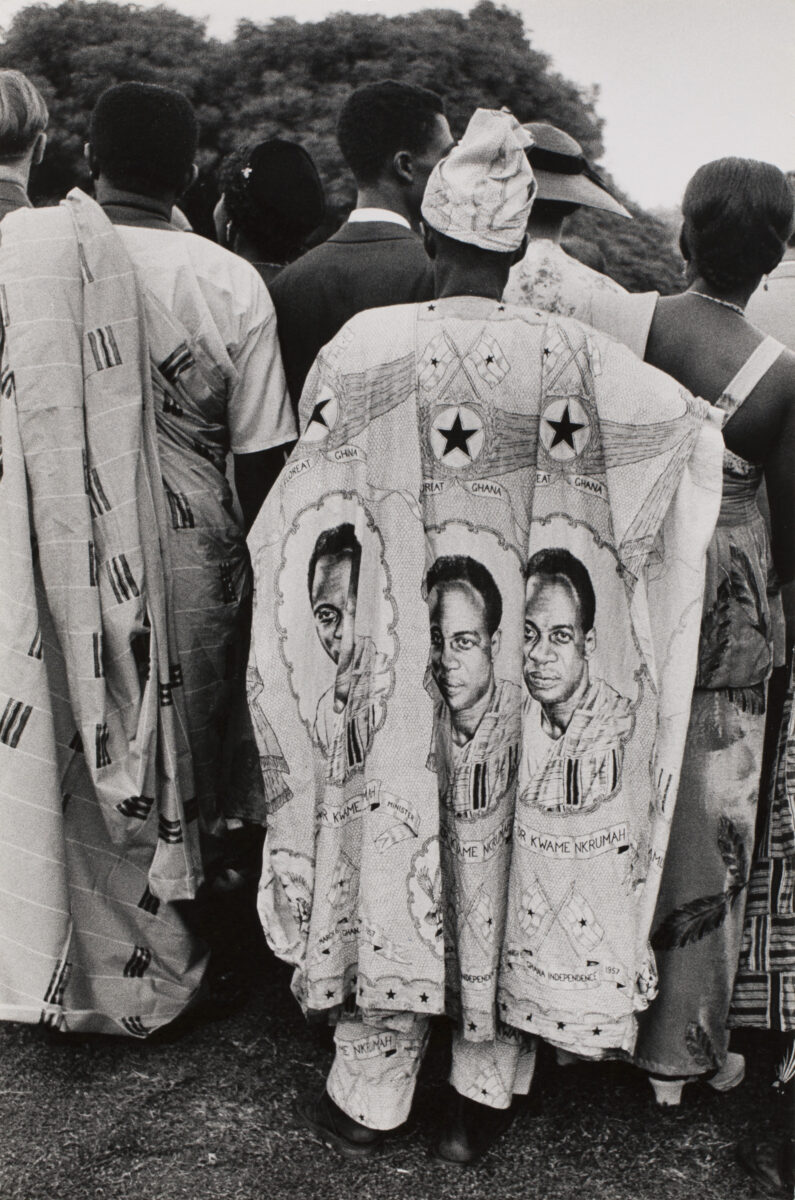
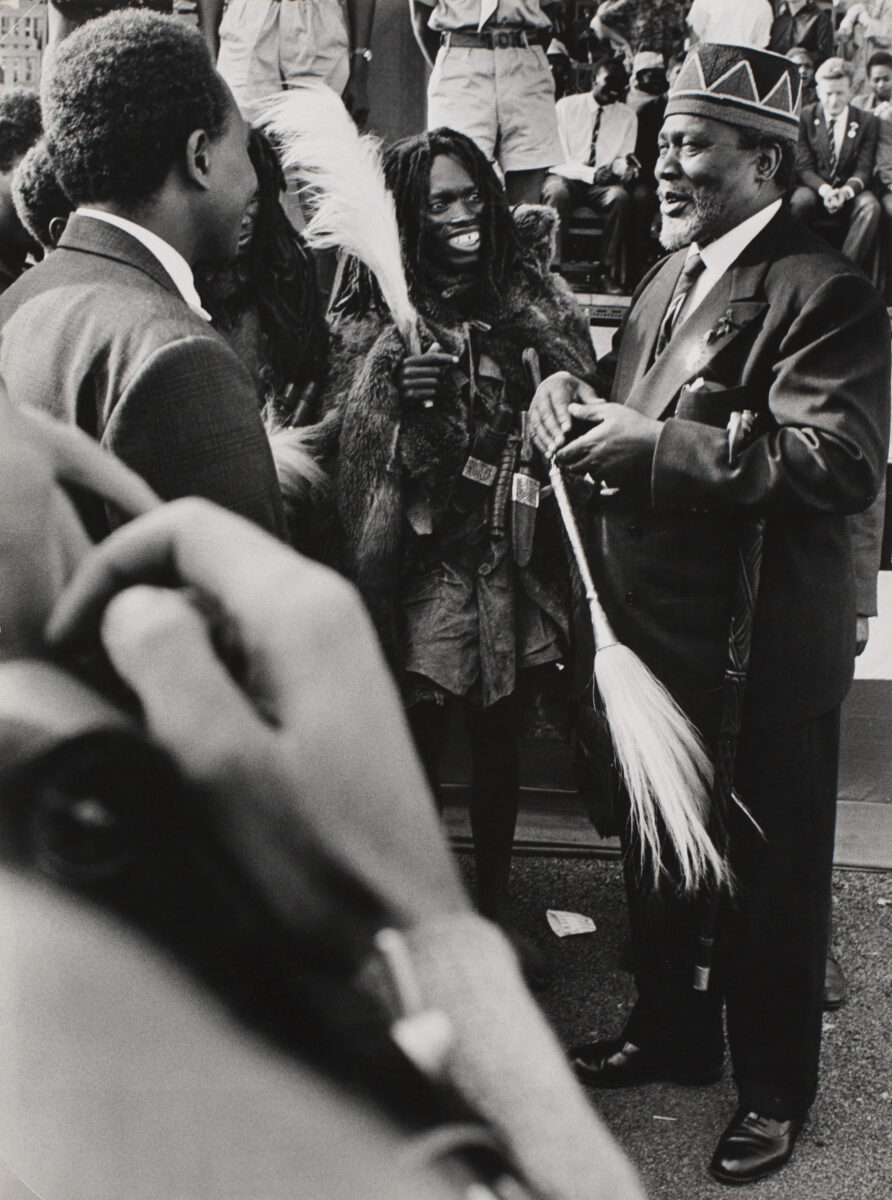
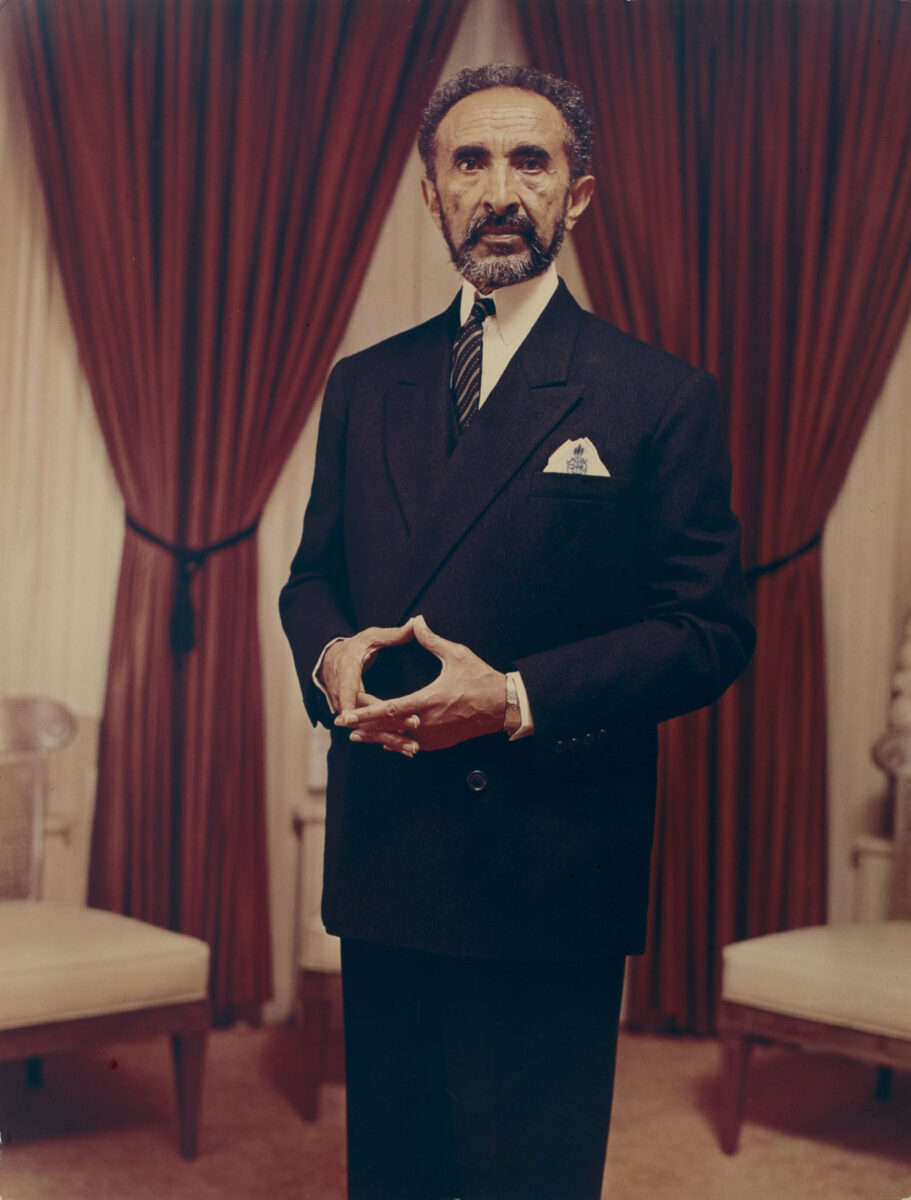
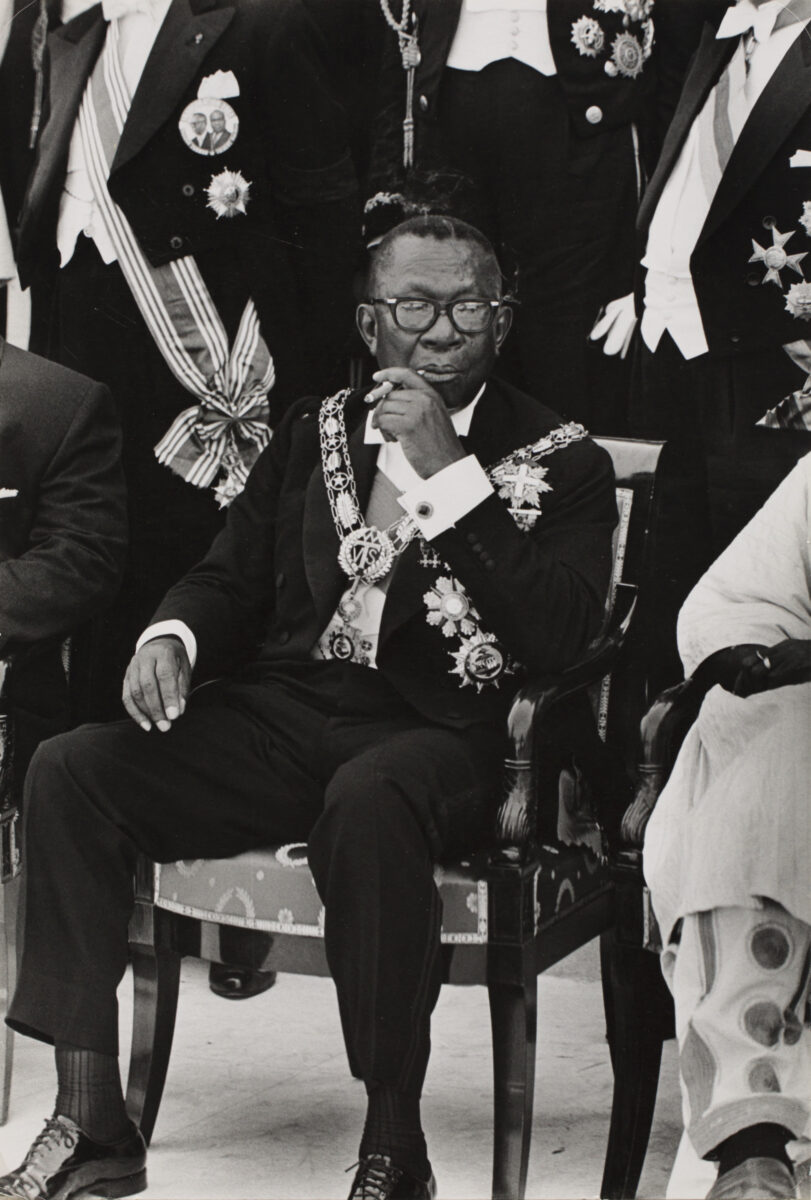
Among his works, Sleet photographed Ghana’s independence celebrations in 1957. The image above (top left) depicts one of many supporters wearing variations of printed cloth featuring the portrait Ghana’s first prime minister, Kwame Nkrumah. On the textile, Nkrumah is haloed by the colors of the newly independent country’s flag and the country’s new motto: “Freedom and Justice.” Sleet’s photo captures the celebration of the person who ushered in Ghana’s independence. An international figure, Nkrumah’s position inspired subsequent independence movements across Africa. This photograph is displayed in conversation with others by Sleet, showing Kenya’s independence celebrations (top right), as well as other pivotal leaders during Africa’s season of newfound independence: Selassie (bottom left), Ethiopia’s emperor from 1930–74, and William V. S. Tubman (bottom right), the president of Liberia from 1944–71.

Fabrice Monteiro, Belgian, born 1972; Guide Supreme, from the series (P)résidant, 2016; inkjet print; 19 5/8 x 19 5/8 inches; Courtesy of the artist and MAGNIN-A Gallery, Paris; © Fabrice Monteiro

Fabrice Monteiro, Belgian, born 1972; Grand Timonier, from the series (P)résidant, 2016; inkjet print; 19 5/8 x 19 5/8 inches; Courtesy of the artist and MAGNIN-A Gallery, Paris; © Fabrice Monteiro
Born in Belgium and based in Senegal, contemporary multimedia artist Monteiro also uses photography to immortalize influential political leaders. However, he does so through a satirical lens. These works, while not on view in the exhibition, are featured in the exhibition catalogue. In her catalogue essay, Nichole N. Bridges, the exhibition curator and SLAM’s Morton D. May Curator of the Arts of Africa, Oceania, and the Americas, explains how the artist critiques several independence-era leaders who overstayed their welcome in the political office and abused their power in postcolonial African politics. In his series titled (P)résidant, Monteiro depicts two masculine figures of power amongst material excess. They each sit upon a throne of gold, a replica of the golden eagle-shaped throne created for the dictatorial Jean-Bedél Bokassa, who intended to rule the Central African Republic for life in the late 1960 into the late 1970s before being exiled. Monteiro alludes to Bokassa in Grand Timonier, critiquing the extravagance of his rule.
Narrative Wisdom and African Arts is on view at the Saint Louis Art Museum until February 16. Some information in this blog was adapted from the exhibition catalogue. It is available for purchase online and in Museum shops.