
- Category
- Families
Family Sunday—Love Potion
Uncover the stories of the Museum’s collection on Sunday afternoons with a gallery exploration and hands-on art activities. This week highlights the exhibition in the Student Gallery, Living with Art: Community Care. Enjoy the exhibition featuring artworks created by participants in the Living with Art Family Workshop Series, inspired by local artist Marquis Terrell. Create a love letter to your community with a drop-in typewriter activity, visit with a local demonstrating artist, and take home your own portrait in the Create Lab.

Family Sunday schedule
1-4 pm, Sculpture Hall
Create your own portrait inspired by the Living with Art: Community Care Student Gallery exhibition.
1–4 pm, Grigg Gallery 216
Join Jim Thoma at the Saint Louis Art Museum for a hands-on encounter with vintage typewriters and the lost art of deliberate correspondence.
1-4 pm, Grigg Gallery 216
Learn from local artist Marquis Terrell in this live painting demonstration.
1:30–2 pm, Sculpture Hall
Join us for a tour of related artwork found in the Saint Louis Art Museum collection. Space is limited, and sign-up is required. Sign-up begins at 1 pm in Sculpture Hall. The family tour leaves at 1:30 pm from the welcome desk.
About Marquis Terrell
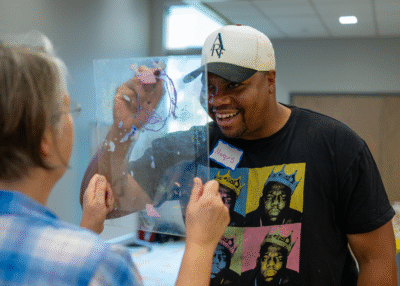
Marquis Terrell is a local artist known for his lifelike portraits and use of bold colors. As part of the Living with Art program, Terrell encouraged families to think about how art documents the present and sparks hope for the future.
“My artistic practice is dedicated to exploring the human narrative. I find endless inspiration in people, using color to craft portraits and scenes that reflect our world. My deepest desire is for viewers to see themselves, their communities, and the spirit of our times in my work,” Terrell said.
About Jim Thoma
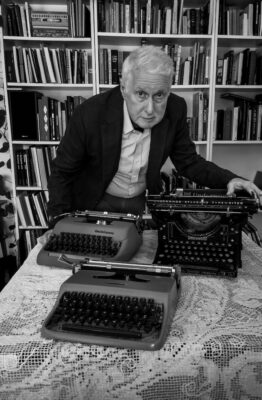
Jim Thoma is an educator and volunteer at the Saint Louis Art Museum who enjoys placing historical objects back into service. For Family Sunday—Love Potion, he invites visitors to write on vintage typewriters from the 1920s through the 1970s, machines designed for deliberation, durability, and minor errors. The experience is equal parts demonstration and invitation, offering a slower, more tactile approach to correspondence, one keystroke at a time.