ST. LOUIS, May 7, 2024—The Saint Louis Art Museum’s summer exhibition underscores the generative power of Spanish America and its central position as a global crossroads.
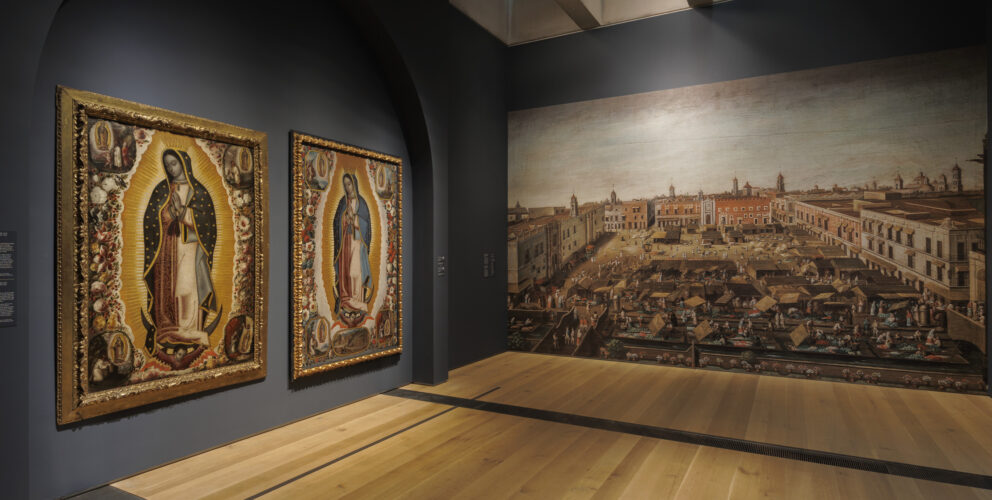
Featuring more than 100 works from the Los Angeles County Museum of Art’s collection of Spanish colonial art, “Art and Imagination in Spanish America, 1500–1800: Highlights from LACMA’s Collection” opens with a public preview and opening lecture on Friday, June 21. It remains on view through Sept. 1.
After the Spaniards began colonizing the Americas in the late 15th century in an effort to spread Christianity, artists working there drew from a range of traditions—Indigenous, European, Asian and African—reflecting the interconnectedness of the world. Private homes and civic and ecclesiastic institutions soon teemed with imported and local objects.
Spanish America was neither a homogeneous nor a monolithic entity, and local artists, including those who remain unidentified, were not passive absorbers of foreign traditions. While recognizing the profound violence that accompanied conquest and colonization, the exhibition explores the social and economic dynamics within emerging societies that paved the way for new artworks.
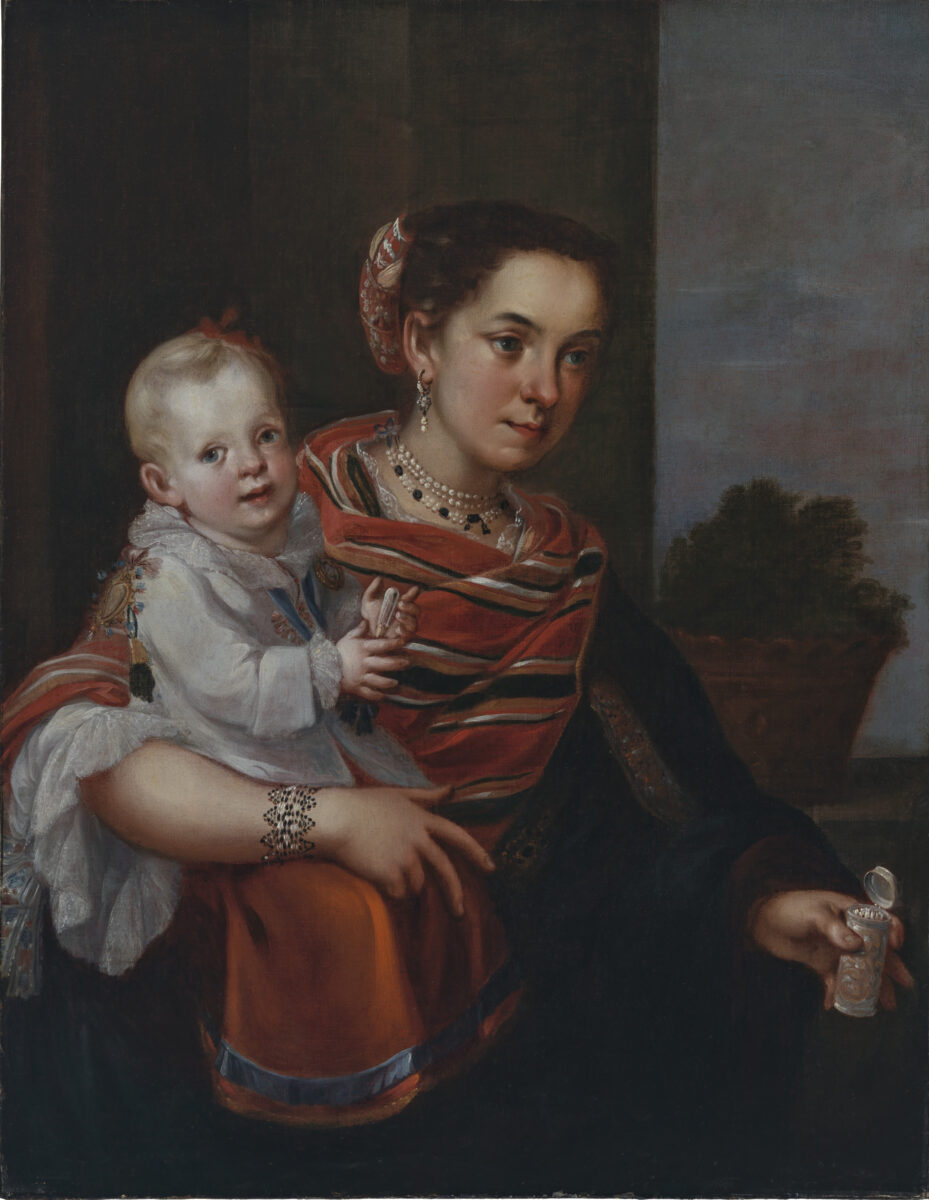
The majority of works in the exhibition were created in Mexico in the 1700s. Present-day Bolivia, Brazil, Colombia, Ecuador, Guatemala, Paraguay, Peru and Venezuela are also represented by selections of objects across multiple medias, including textiles and decorative arts made for both secular and religious contexts. Some of the earliest objects in the exhibition are notable for their combination of Indigenous and European artistic practices. For example, a 16th-century chalice, created following the conquest, redeployed materials long used by Indigenous artists and invested with sacred meaning—such as precious metals, feathers and rock crystal—in the creation of a Christian object.
“’Art and Imagination’ is the first exhibition at SLAM to offer an overview of art from colonial Spanish America. Featuring extraordinary works of art from LACMA’s collection, it will allow us to share a chapter of this region’s artistic history with our St. Louis audiences,” said Amy Torbert, SLAM’s Andrew W. Mellon Foundation Associate Curator of American Art.
The exhibition is presented in five sections. “Fashioning Identity” features a variety of textiles and paintings that reveal the tensions of representation. “Intimate Faiths” shows devotion on a personal scale. “American Emporium” presents a cascade of materials and techniques that responded to and shaped global trade. “The Art of Two Artists: The Culture of Copies” looks at the circulation of images and their creative refashioning. “Eyes of the Imagination: Envisioning the Divine” demonstrates the fundamental role of large-scale religious images in the project of conversion.
An audio guide accompanies the exhibition and features a variety of voices responding to works throughout the exhibition, including a botanist from the Missouri Botanical Garden and a professor of Spanish from Washington University in St. Louis. All of the exhibition materials, including the audio guide, are offered in both Spanish and English.
A host of programs are scheduled during the run of the exhibition. It will be the focus of the June 23 Family Sunday event and the Aug. 30 SLAM Underground. Also, the Kitchens of New Spain event on Aug. 16 will feature a lecture and cooking demonstration that weaves Old and New World ingredients, traditions and techniques together.
“Art and Imagination in Spanish America, 1500–1800” was curated by Ilona Katzew with the Los Angeles County Museum of Art. The organizing curators at SLAM are Genevieve Cortinovis, the Andrew W. Mellon Foundation Associate Curator of Decorative Arts and Design; Clare Kobasa, associate curator of prints, drawings and photographs; Judith W. Mann, senior curator of European art to 1800; and Amy Torbert, the Andrew W. Mellon Foundation Associate Curator of American Art.
CONTACT: Molly Morris, 314.655.5250, molly.morris@slam.org
This exhibition was organized by the Los Angeles County Museum of Art.
It is presented in St. Louis with generous support from the Betsy & Thomas Patterson Foundation.
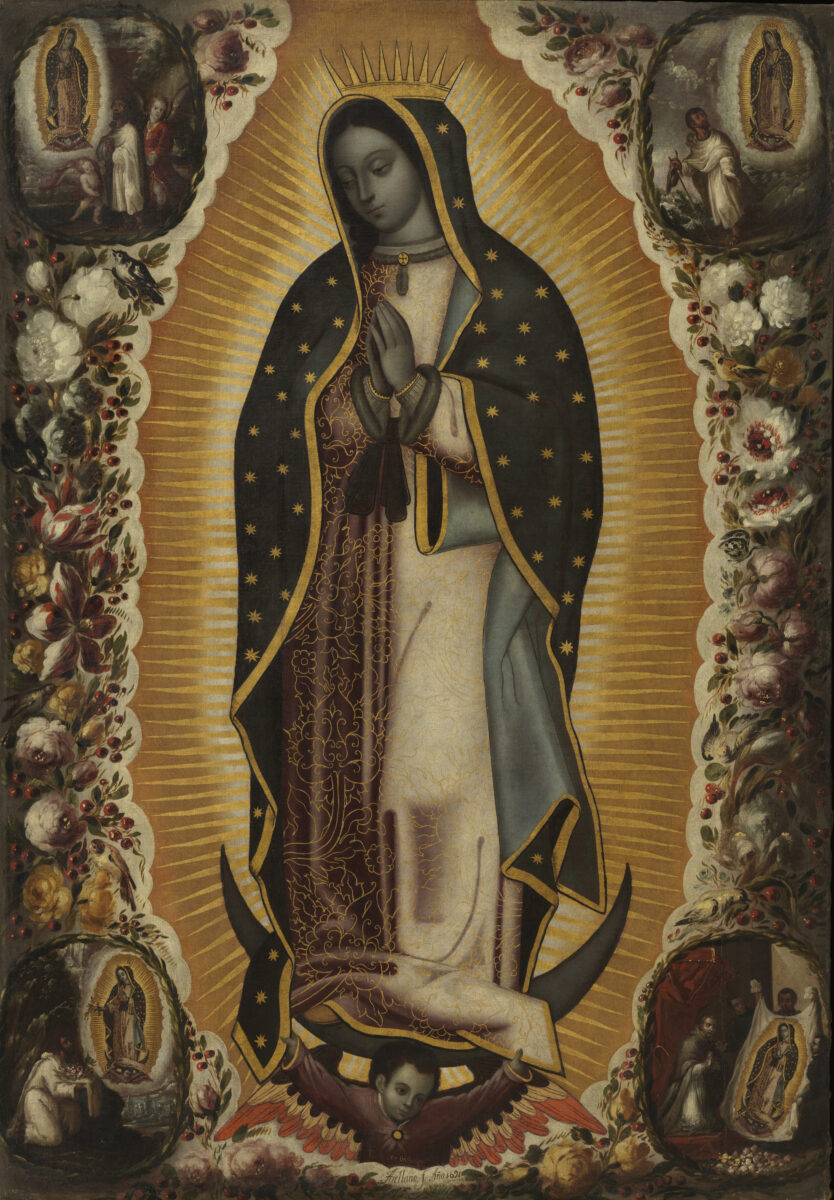
Antonio de Arellano, Mexican, 1638–1714, and Manuel de Arellano, Mexican, 1662–1722, “Virgin of Guadalupe” (“Virgen de Guadalupe”), 1691; oil on canvas; 7 1 7/16 × 48 9/16 inches; Purchased with funds provided by the Bernard and Edith Lewin Collection of Mexican Art Deaccession Fund M.2009.61; photo © Museum Associates/LACMA

Friday programs are generously supported by Art Bridges Foundation’s Access for All program.

Press images
Click on any the images in this gallery to download.
-
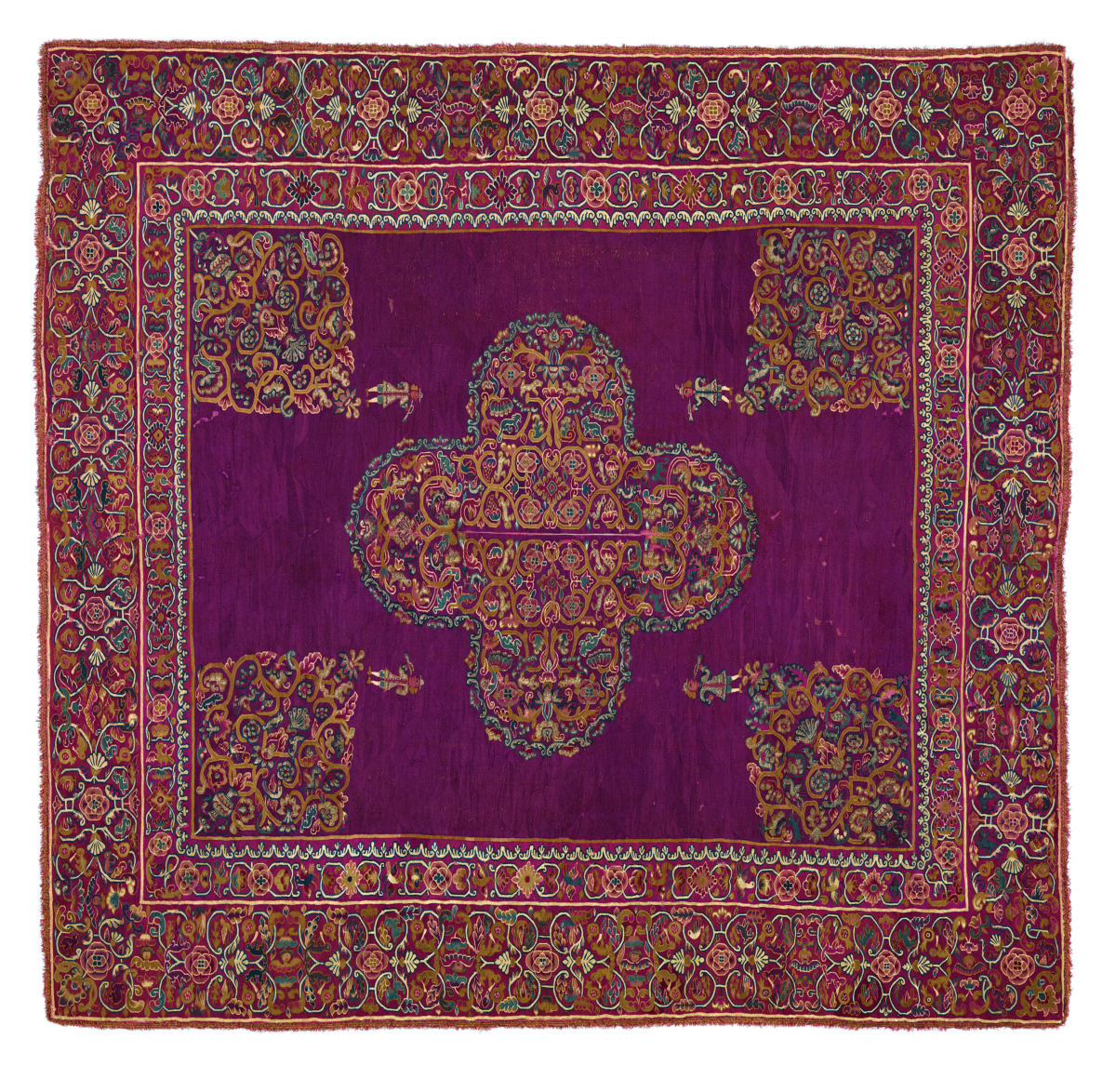
Unidentified artist, Southern Andes; “Poncho with Musicians” (“Poncho con músicos”), late 17th–early 18th century; cotton, camelid-fiber, and silk and metallic-thread tapestry weave; 69 1/2 x 66 inches; Los Angeles County Museum of Art, Gift of Miss Bella Mabury M.40.1.76; photo © Museum Associates/LACMA
-
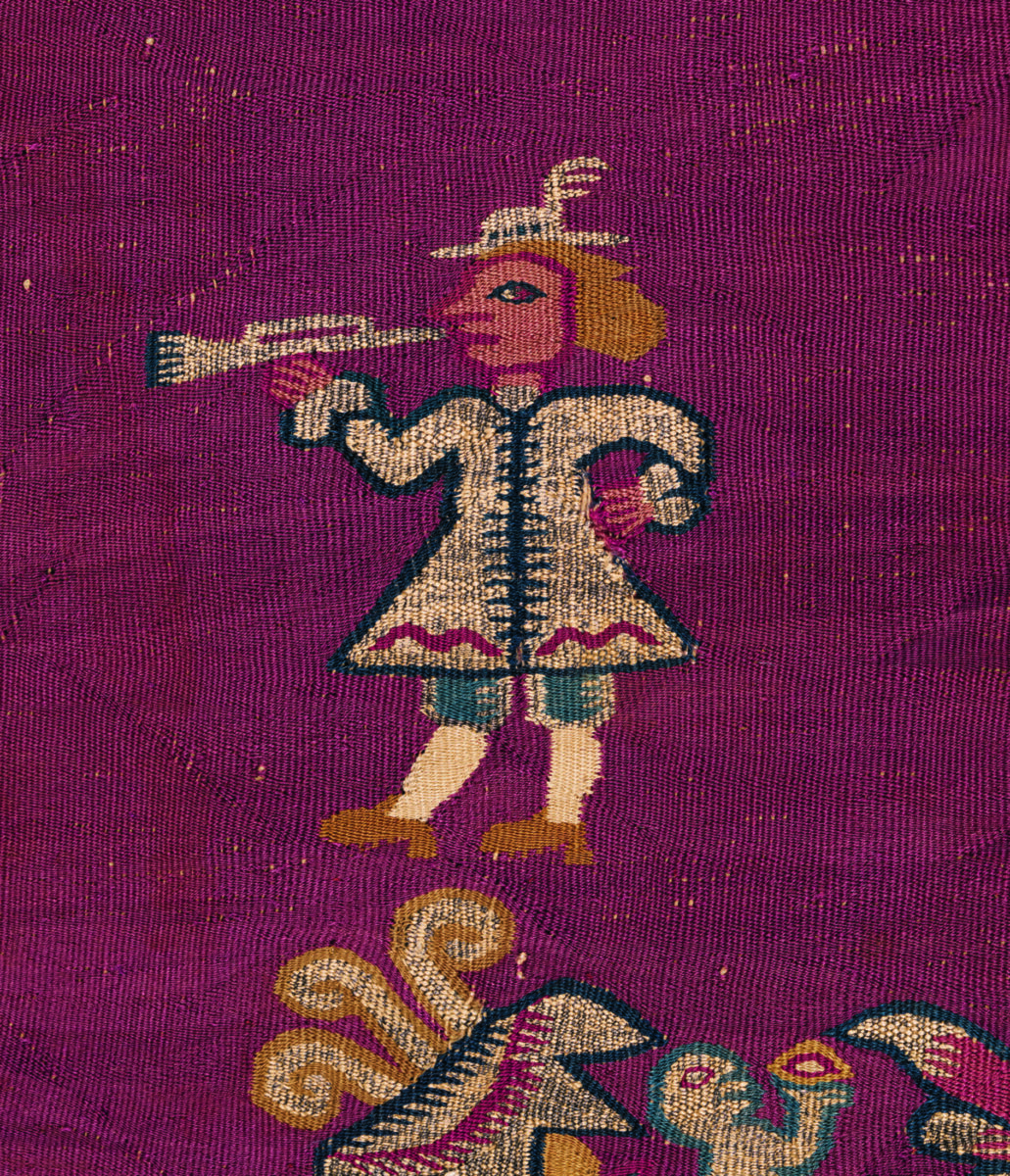
Unidentified artist, Southern Andes; “Poncho with Musicians” (“Poncho con músicos”) (detail), late 17th–early 18th century; cotton, camelid-fiber, and silk and metallic-thread tapestry weave; 69 1/2 x 66 inches; Los Angeles County Museum of Art, Gift of Miss Bella Mabury M.40.1.76; photo © Museum Associates/LACMA
-
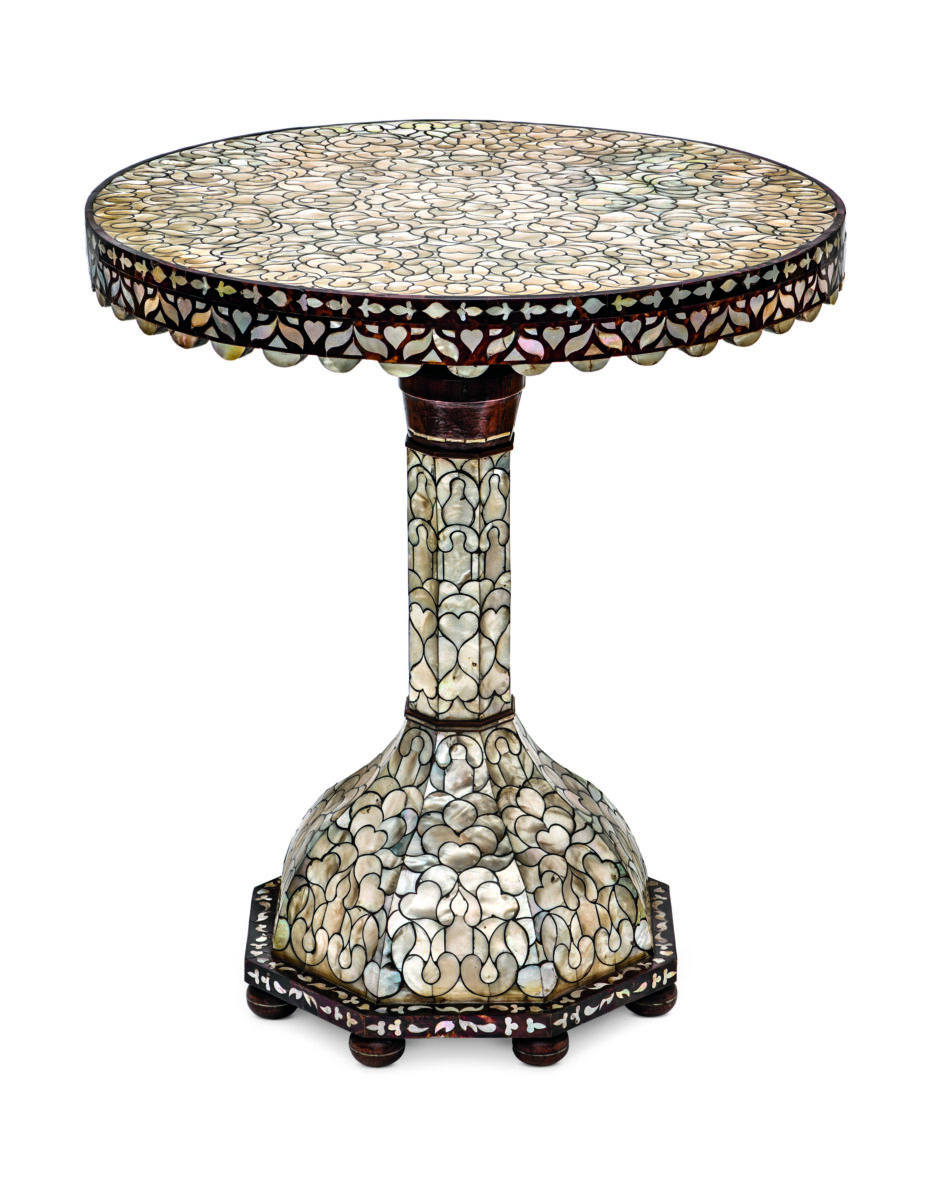
Unidentified artist, Guatemala (for export market, possibly Peru); “Side Table” (“Mesilla”), last third of the 18th century; wood, inlaid with mother-of-pearl, tortoiseshell, and silver; height: 29 1/8 inches, diameter: 25 9/16 inches; Los Angeles County Museum of Art, Purchased with funds provided by the Bernard and Edith Lewin Collection of Mexican Art Deaccession Fund M.2019.264.2a-b; photo © Museum Associates/LACMA
-
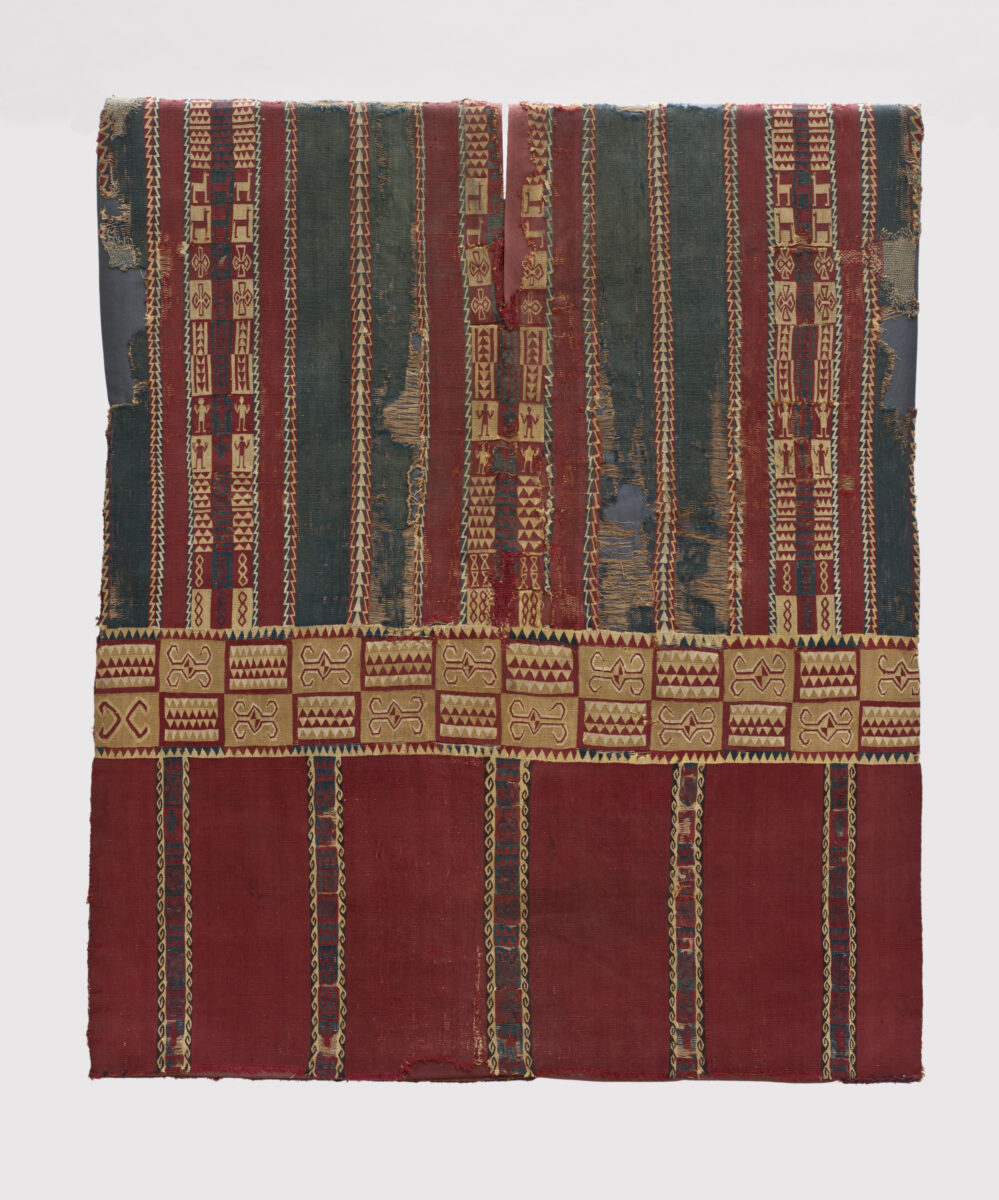
Unidentified artist, Southern Andes; “Man’s Tunic” (“Uncu”) (“túnica masculina [uncu]”), 16th century; camelid-fiber and cotton tapestry weave, with crosslooped embroidery and braided edging; 35 3/4 x 29 3/4 inches; Los Angeles County Museum of Art, Costume Council and Museum Associates Purchase M.78.54.2; photo © Museum Associates/LACMA
-
Antonio de Arellano, Mexican, 1638–1714, and Manuel de Arellano, Mexican, 1662–1722, “Virgin of Guadalupe” (“Virgen de Guadalupe”), 1691; oil on canvas; 7 1 7/16 × 48 9/16 inches; Purchased with funds provided by the Bernard and Edith Lewin Collection of Mexican Art Deaccession Fund M.2009.61; photo © Museum Associates/LACMA
-
Attributed to Miguel Cabrera, Mexican, c.1715–1768; or Juan Patricio Morlete Ruiz, Mexican, 1713–1772; “Morisca Woman and Albino Girl” (“Morisca y albina”), c.1760; oil on canvas; 36 x 28 inches; Los Angeles County Museum of Art, Purchased with funds provided by the Bernard and Edith Lewin Collection of Mexican Art Deaccession Fund M.2009.62; photo © Museum Associates/LACMA
-
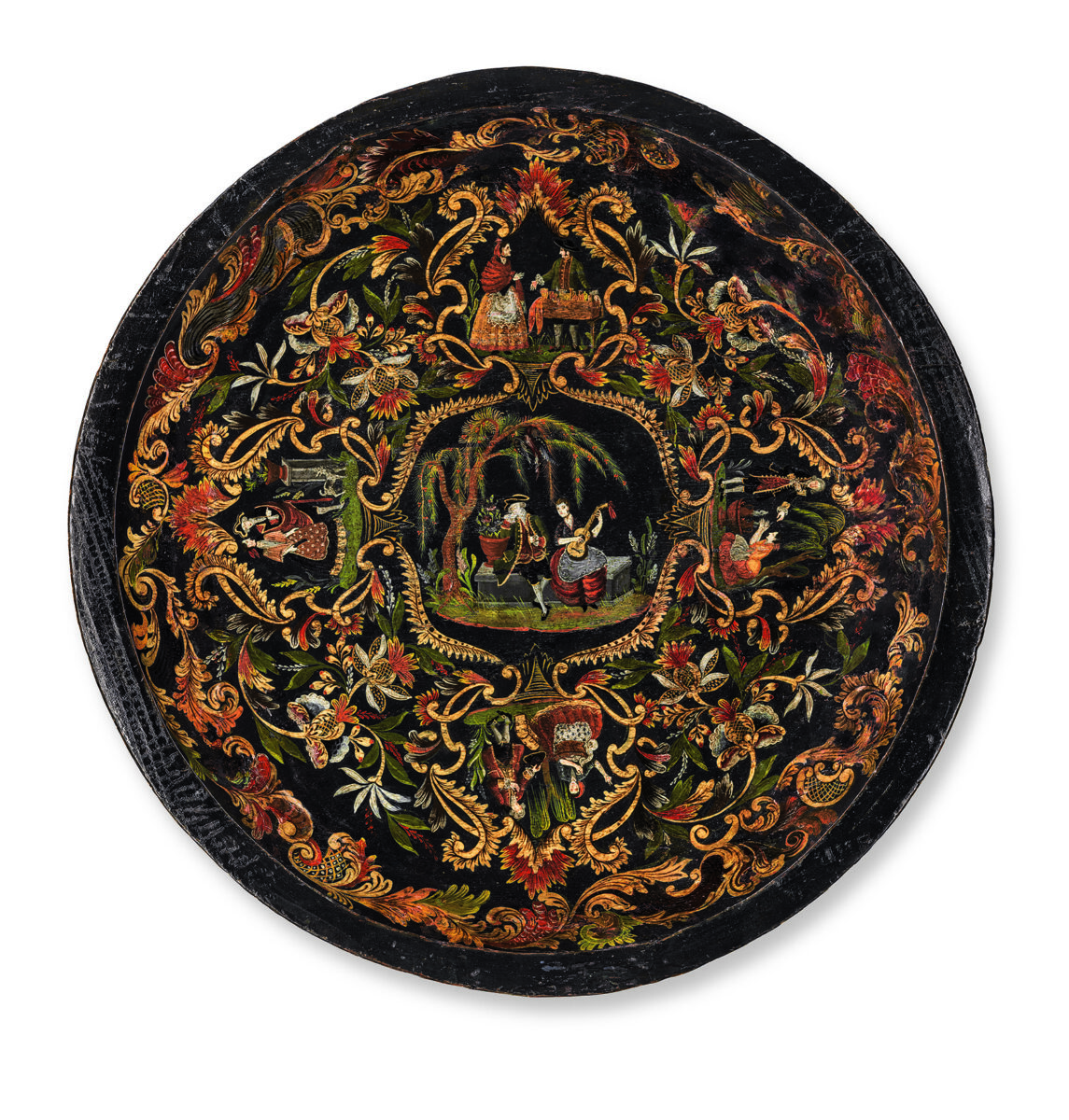
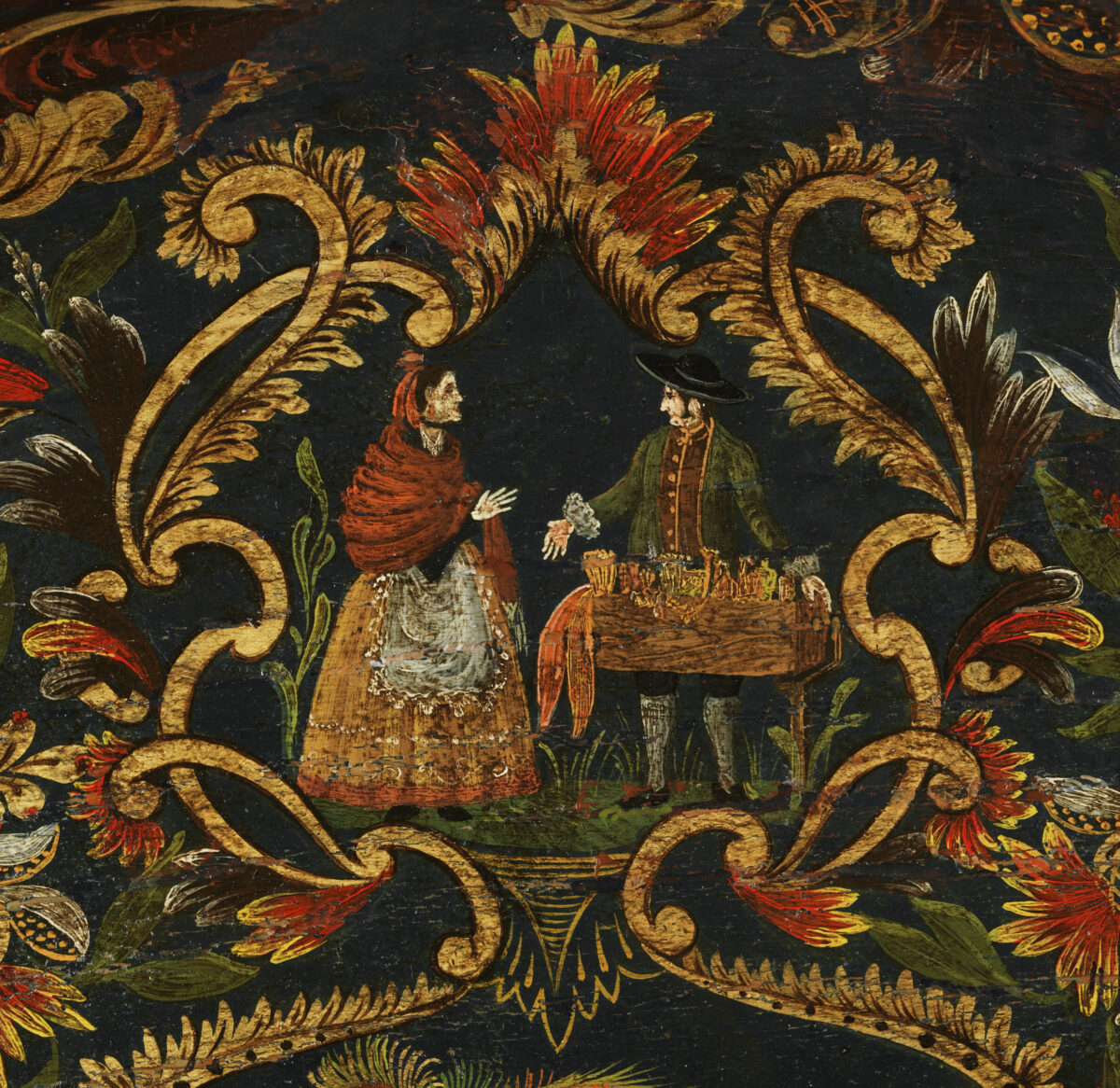
Unidentified artists, Mexico, Pátzcuaro (Michoaocán); “Tray” (“Batea”), c.1760–1780; wood, lacquer, and gold; diameter: 22 13/16 inches; Los Angeles County Museum of Art, Purchased with funds provided by the Bernard and Edith Lewin Collection of Mexican Art Deaccession Fund M.2020.12; photo © Museum Associates/LACMA
-
View 2 more
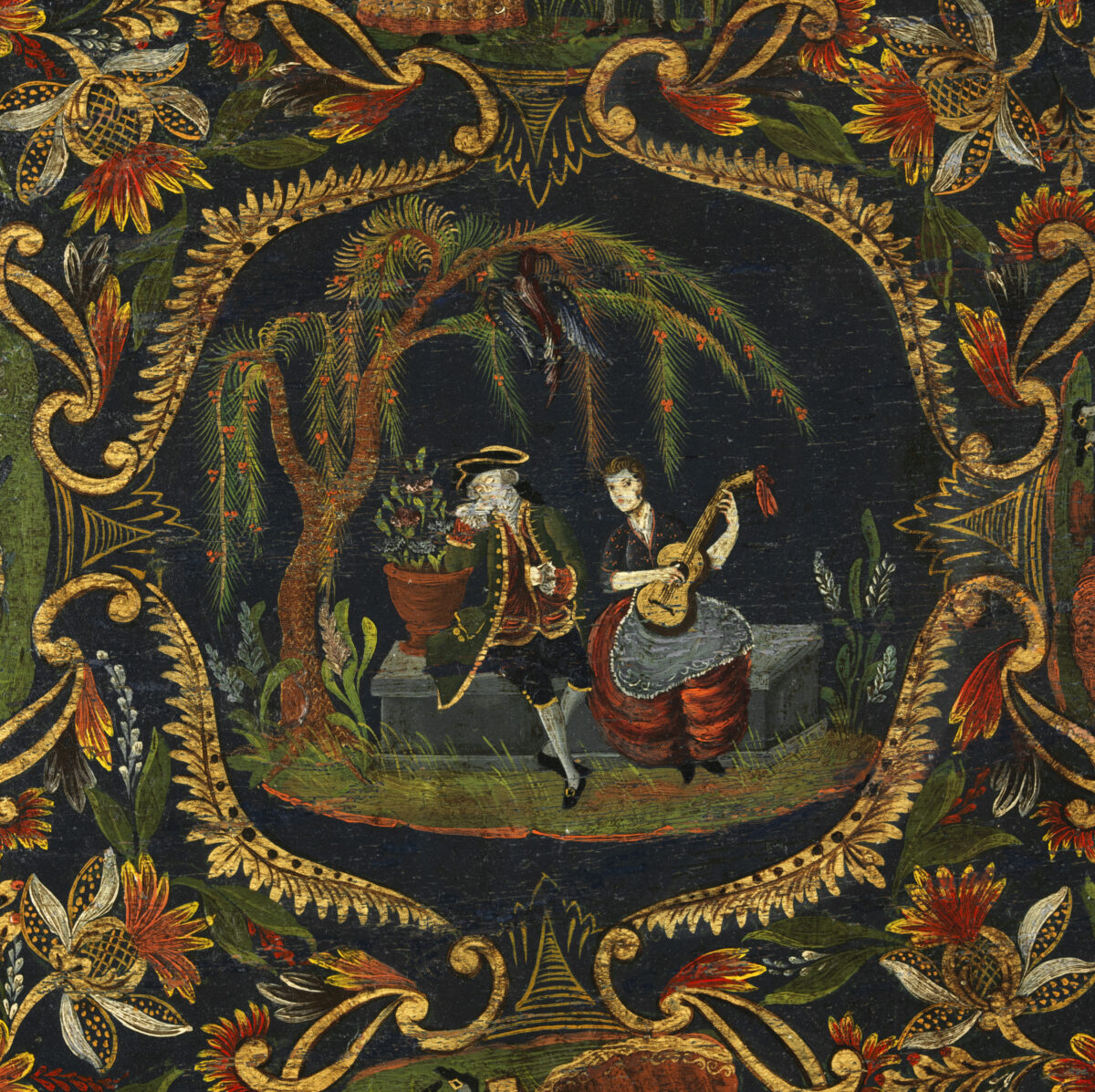
Unidentified artists, Mexico, Pátzcuaro (Michoaocán); “Tray” (“Batea”) (detail), c.1760–1780; wood, lacquer, and gold; diameter: 22 13/16 inches; Los Angeles County Museum of Art, Purchased with funds provided by the Bernard and Edith Lewin Collection of Mexican Art Deaccession Fund M.2020.12; photo © Museum Associates/LACMA
-
Unidentified artists, Mexico, Pátzcuaro (Michoaocán); “Tray” (“Batea”) (detail), c.1760–1780; wood, lacquer, and gold; diameter: 22 13/16 inches; Los Angeles County Museum of Art, Purchased with funds provided by the Bernard and Edith Lewin Collection of Mexican Art Deaccession Fund M.2020.12; photo © Museum Associates/LACMA