‘Paintings on Stone’ opens in February
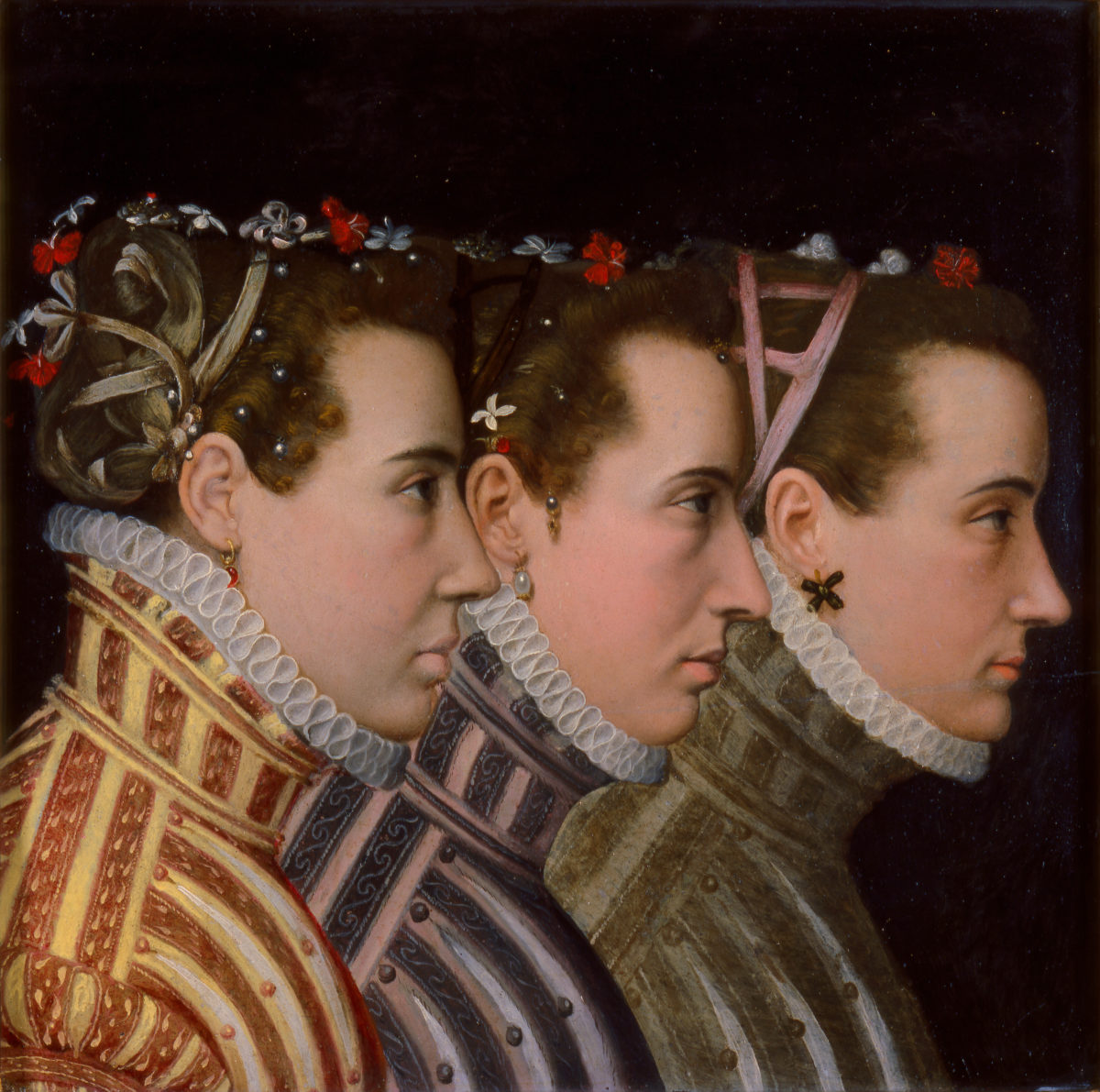
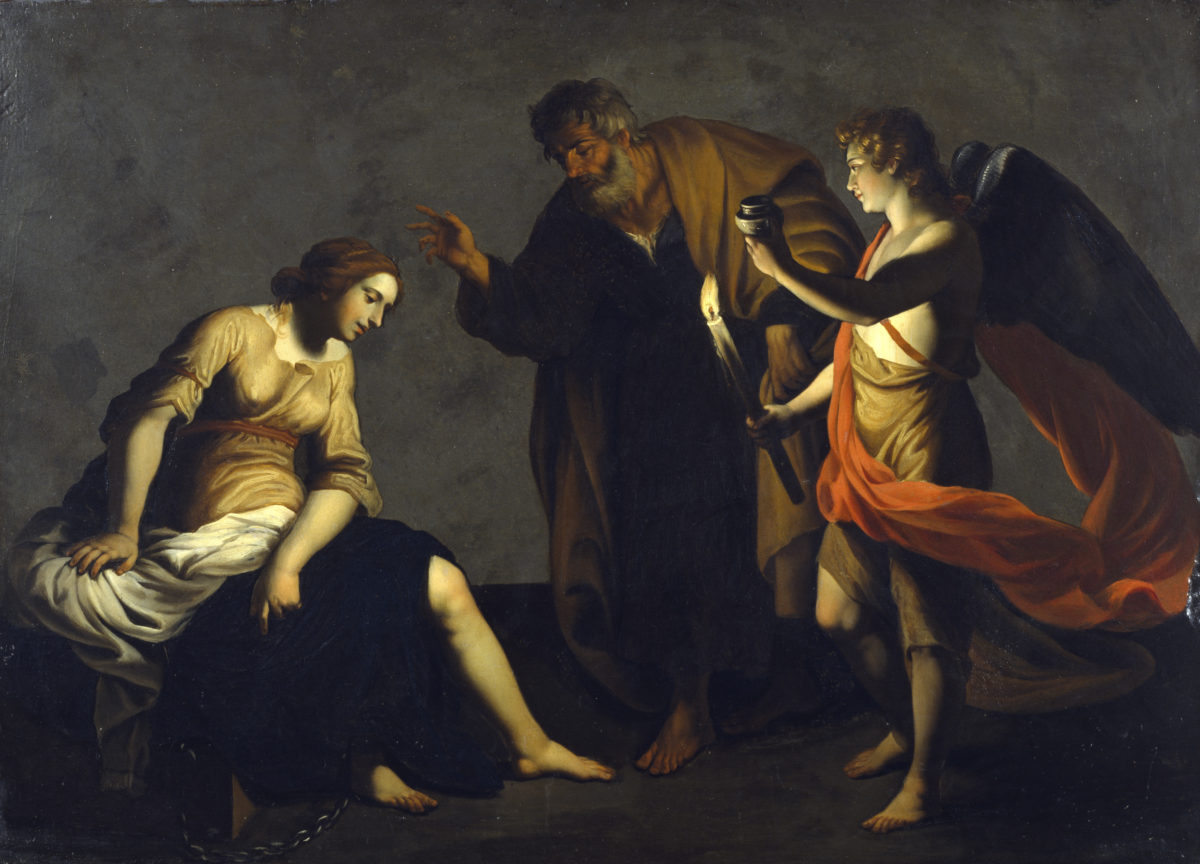
ST. LOUIS, Dec. 8, 2021—The Saint Louis Art Museum next year will present “Paintings on Stone: Science and the Sacred 1530-1800,” an exhibition examining a tradition long overlooked by art historians—artists’ use of stone surfaces in place of panel or canvas to create stunning portraits, mythological scenes and sacred images.
“Paintings on Stone” originally was scheduled to open in 2020 but was delayed because of the COVID pandemic. It opens Feb. 20 at the Saint Louis Art Museum.
(To download images of art in the exhibition, click on the images at the bottom of this press release.)
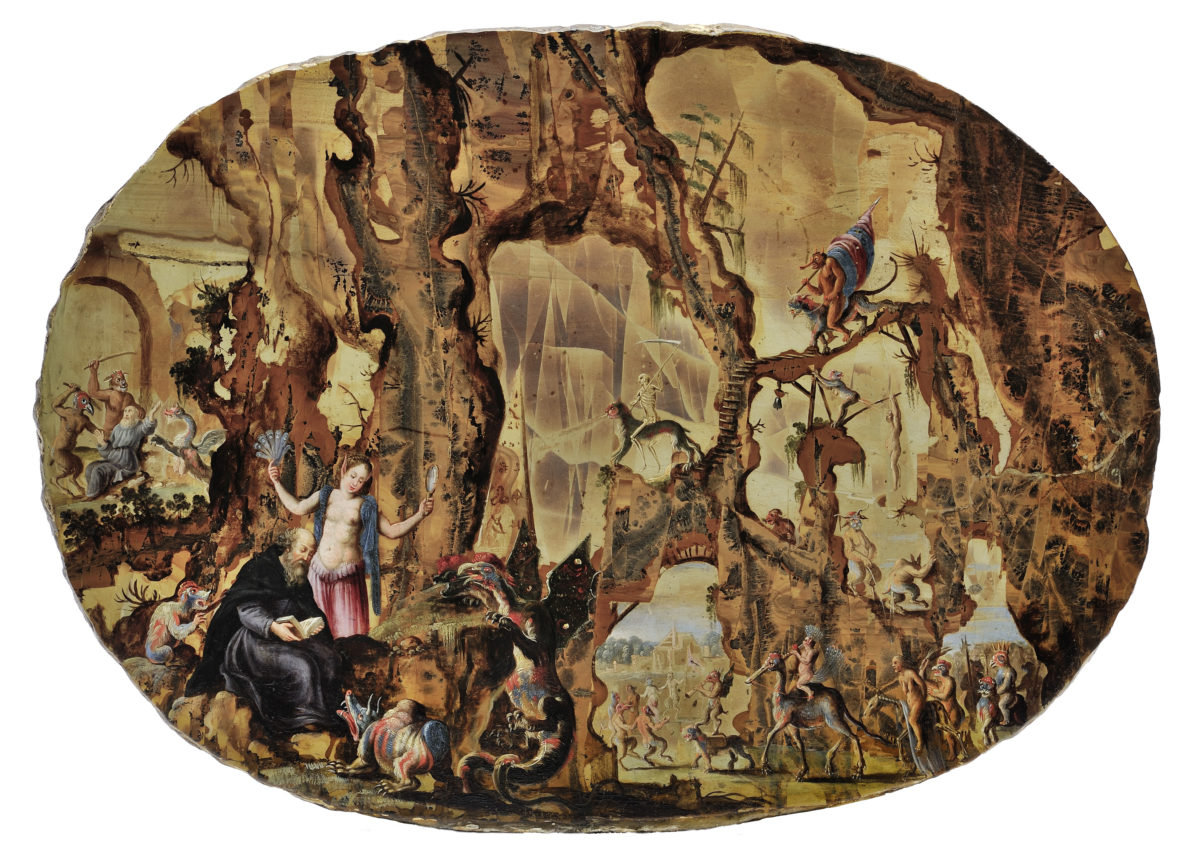
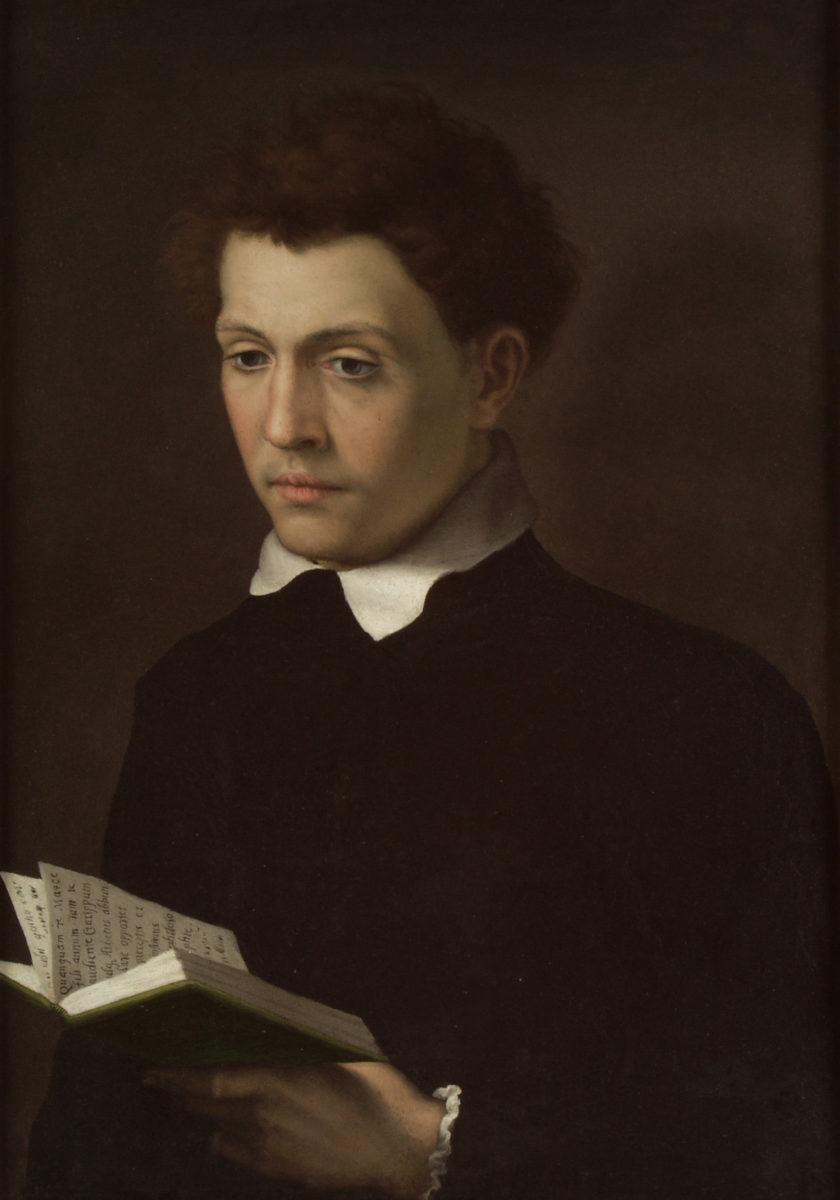
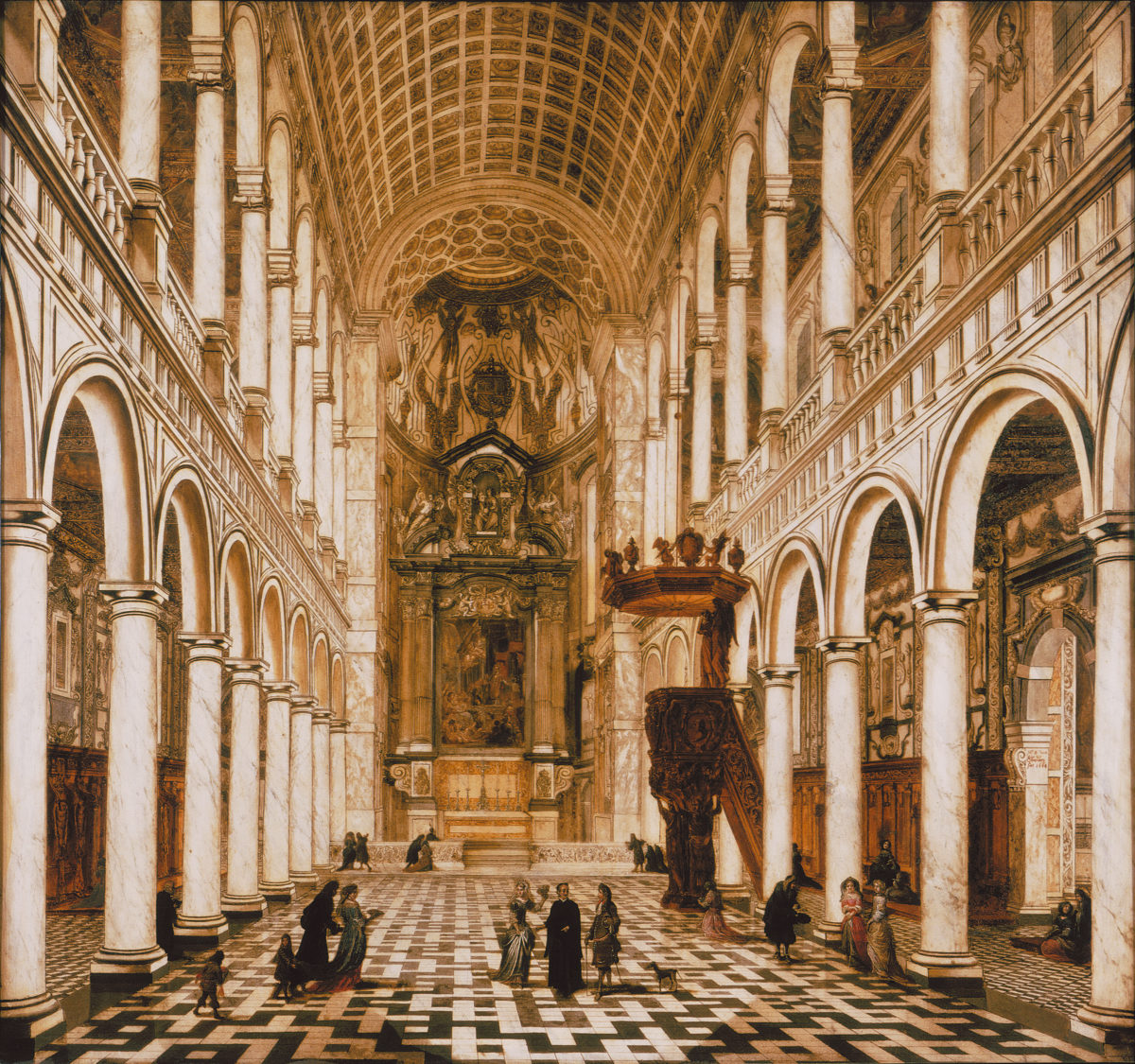
The exhibition focuses on the creative and unusual ways in which artists employed stone surfaces in the creation of their paintings. Developed in Rome by the Venetian painter Sebastiano del Piombo (1485-1547), the practice of painting on stone took hold in the 1530s and 1540s, and flourished for the next 100 to 150 years.
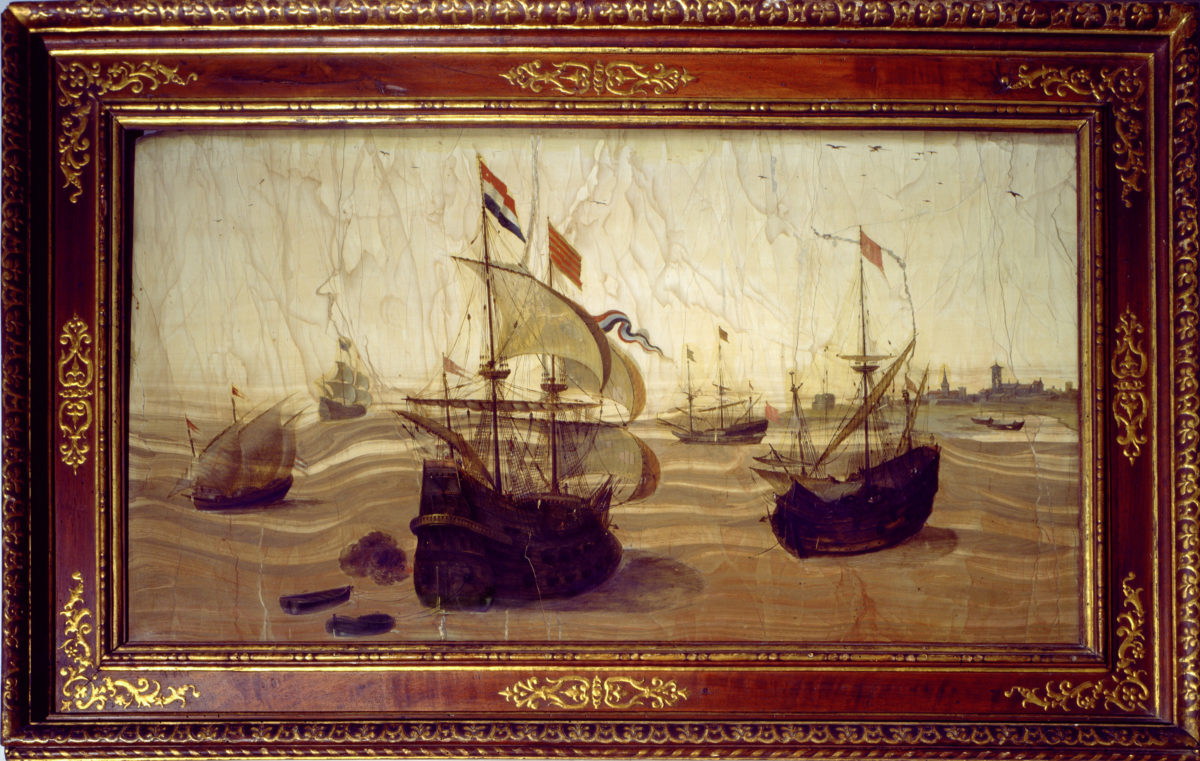
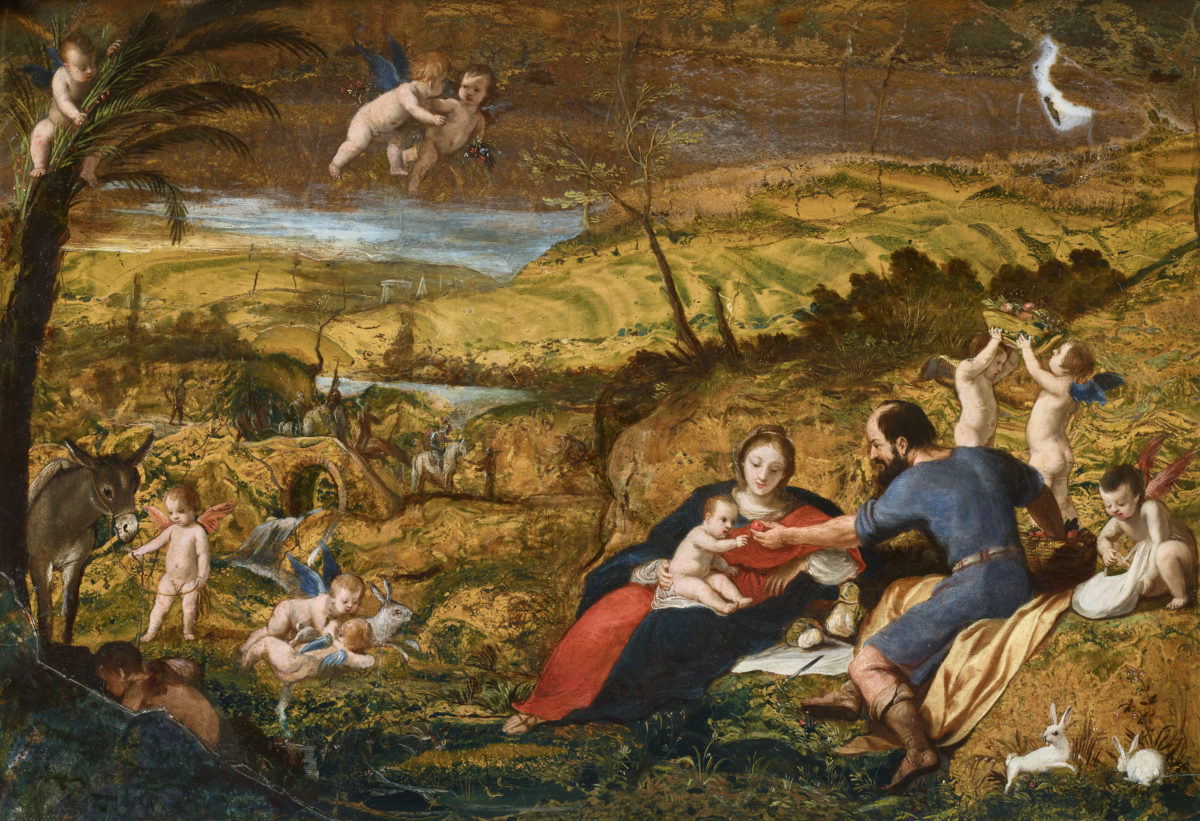
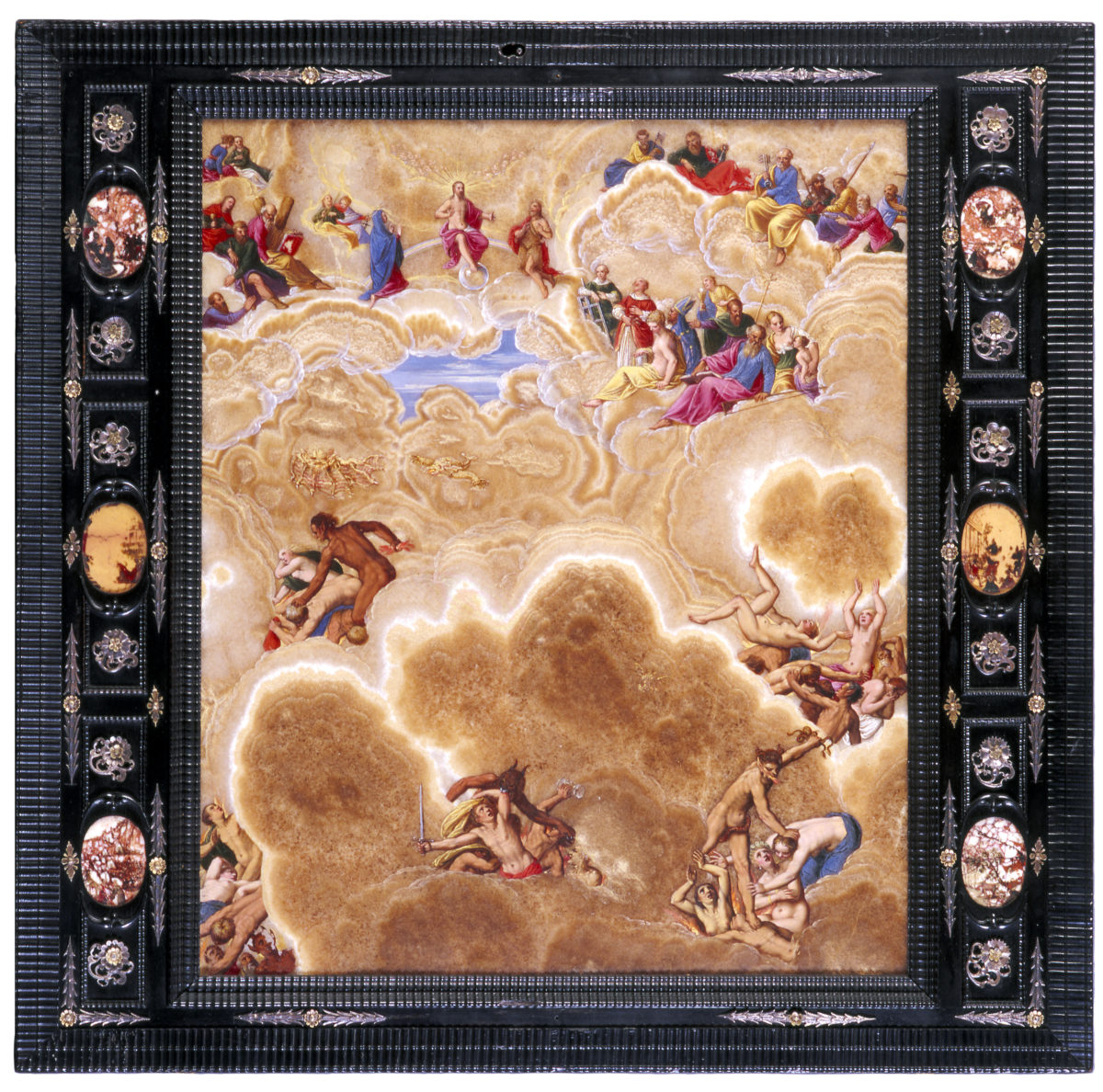
In the early examples, painters rarely left the stone bare, covering it completely since the presence of the stone itself provided enhanced meaning to the subject. Towards the end of the century, however, artists began to respond to the visual properties offered by the stone. They expanded the repertoire of rocks that they used and started to leave portions of the surface bare in order to incorporate its visual qualities into their compositions.
“This exhibition will be a fascinating and visually stunning treat for our visitors, and the rigorous scholarship underpinning it will be a resource for generations of art historians,” said Min Jung Kim, the Barbara B. Taylor Director of the Saint Louis Art Museum. “Because the materiality of these exquisite artworks can only be appreciated in person, I am deeply thankful to the many lenders from around the world who have agreed to share these treasures in our galleries.”
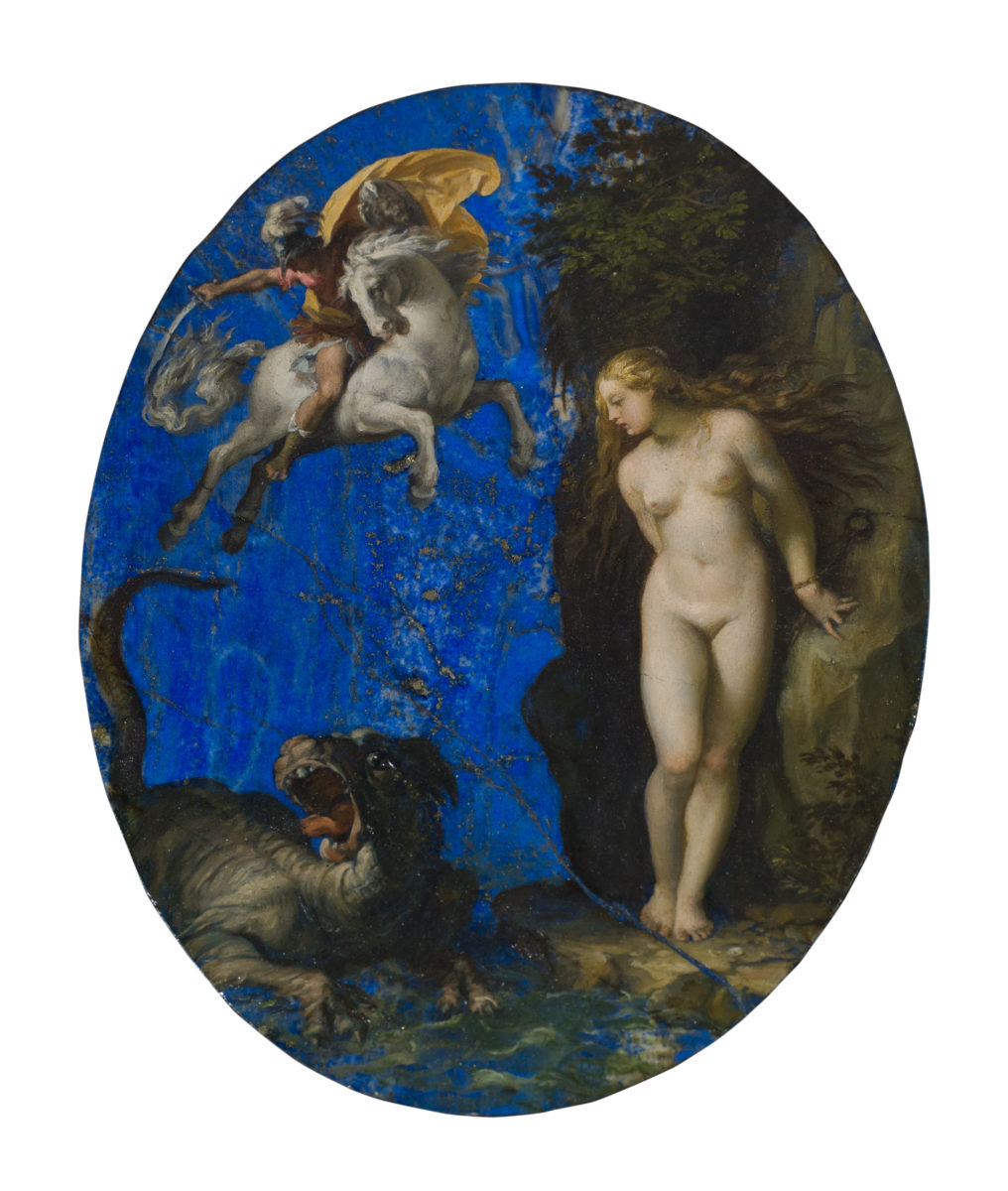
“Paintings on Stone” was born out of extensive curatorial research that followed the Saint Louis Art Museum’s 2000 purchase of Cavaliere d’Arpino’s “Perseus Rescuing Andromeda,” a small yet exceptional painting on lapis lazuli.
Fifteen years in the making
Judith Mann, the museum’s curator for European art to 1800, sought to understand why an artist working in the late 16th century would have created such a marvel. That led to 15 years of study and discovery that culminates in the first systematic examination of the pan-European practice of this unusual and little-studied aspect of Renaissance and baroque art.
“The exhibition testifies to the boundless creativity artists brought to the use of stone as a painting support,” Mann said. “I hope that ‘Paintings on Stone’ motivates scholars to pursue new lines of investigation and that it stimulates visitors with the same admiration and delight I have enjoyed since first seeing d’Arpino’s amazing painting.”
With the recent purchase of “Lamentation by Candlelight,” a stone painting Jacopo Bassano made in the 1570s, the museum now has a second example in the collection. This work, illustrating the painting-on-stone tradition, is undergoing restoration in the museum’s conservation lab and will be unveiled for the first time when the exhibition opens.
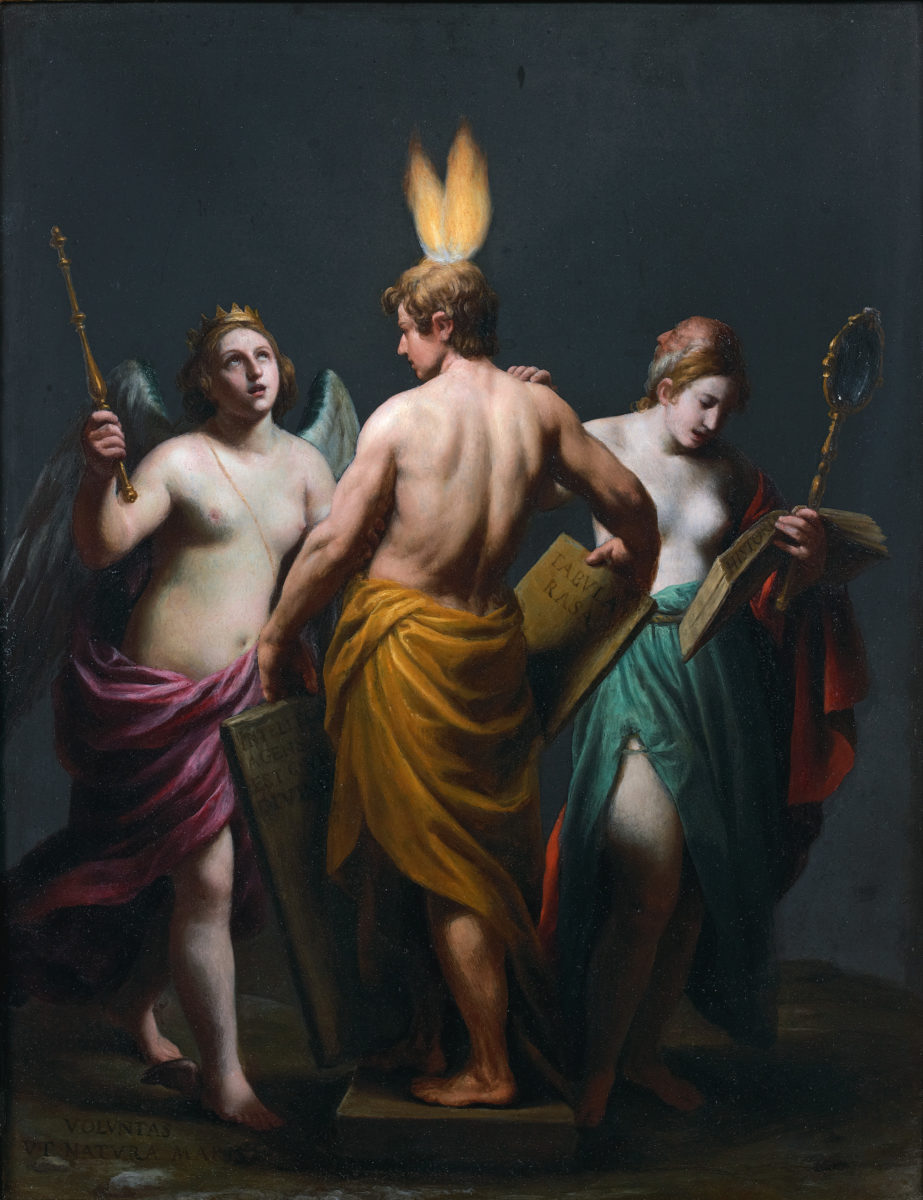
“Paintings on Stone” will include almost every type of stone that was used, including lapis lazuli, marble, slate, amethyst, porphyry, alabaster, travertine (also called alabaster cotognino) and obsidian. By leaving portions of the stone surface unpainted, the blue of lapis lazuli became water or sky, striations in lined jasper represented the undulating waves of the sea, and concentric markings on alabaster defined heavenly auras. The practice of using stone supports continued to engage European artists and patrons well into the early 18th century, and the exhibition will include examples from that period as well.
The 320-page exhibition catalogue is available now. Edited by Mann and illustrated with more than 100 examples, this essential reference reveals the significance of these paintings, their complex meanings and their technical virtuosity.
The exhibition is curated by Mann, with the assistance of Andrea Miller, research assistant in the department of European art to 1800. Major support is provided by the E. Desmond Lee Family Endowment for Exhibitions. Additional support is provided by the Missouri Arts Council, a state agency, and the National Endowment for the Arts.
CONTACT: Matthew Hathaway, 314.655.5493, matthew.hathaway@slam.org
Press images for 'Paintings on Stone'
Click on any the images in this gallery to download.