Pompeo della Cesa, Italian, c.1537–1610; Cabasset Helmet, 1580–90; etched steel with refreshed gilding, bluing and blackening; brass and leather; 8 1/4 x 9 1/8 x 10 1/2 in. (21 x 23.2 x 26.7 cm) weight: 2 lb. 13 oz. (1.3 kg); Saint Louis Art Museum, Museum Purchase 176:1926
In contemporary life, we often think of technology in terms of gadgets and electronic equipment, such as computers and cellular phones, but technology is actually the use of knowledge to invent new devices or tools. There are examples that date back thousands of years, like spoons, paint brushes, or boats. Technology is the development of tools or materials for practical purposes, such as farming, construction, or eating. Artists and designers often work with professionals in other fields, such as science, engineering, and math to help develop new technologies.
Each of these helmets has a unique design and is an example of technology that was developed throughout time and in different places to protect people’s heads. What are some other types of helmets that you have seen or worn?
-
Persian
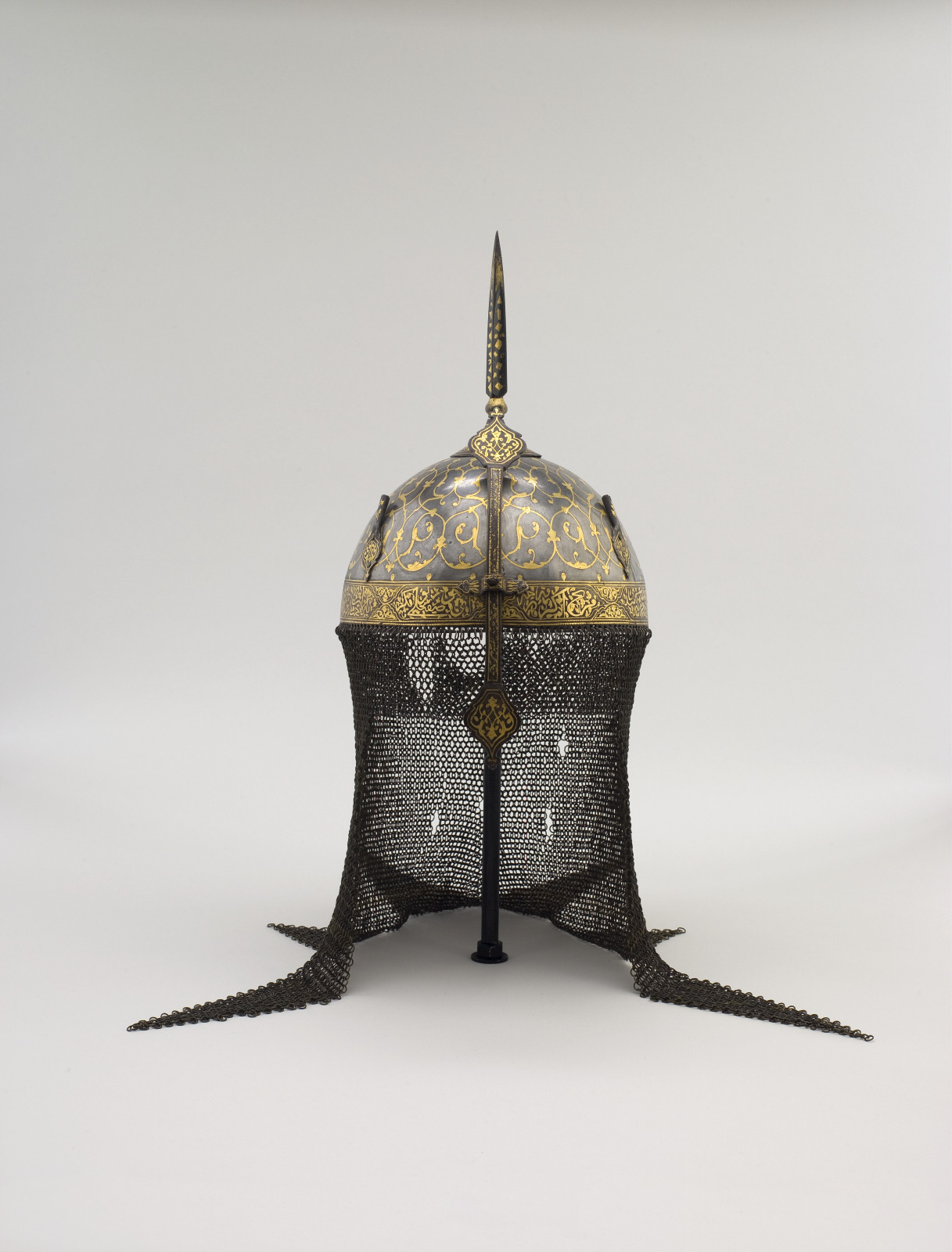
Cap Helmet (kulah khud) with Design of Interlaced Vines, Arabic Inscriptions, and Mail Neck Curtain More Information -
Italian
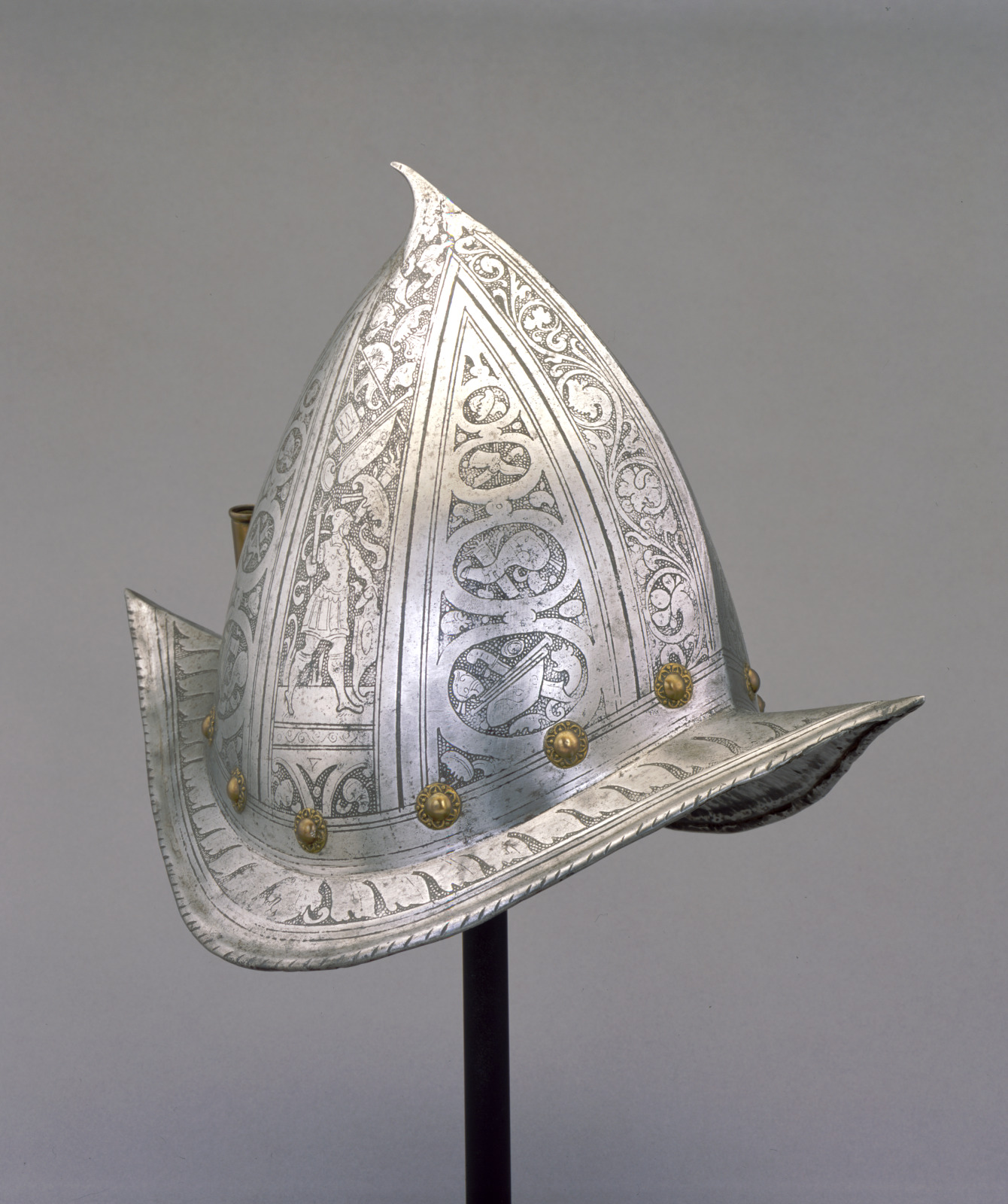
Morion-Cabasset Helmet More Information -
Chinese
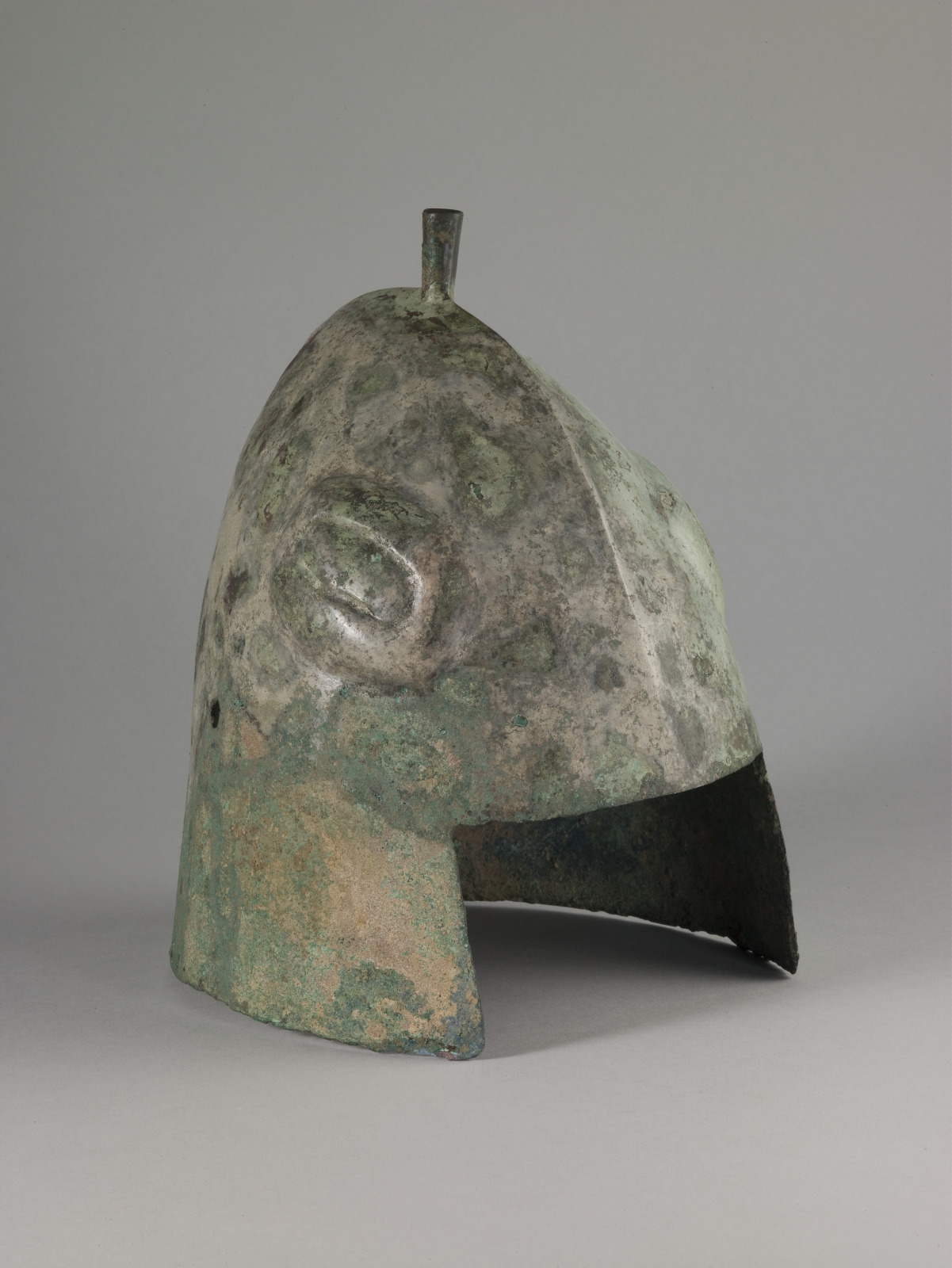
Helmet (zhou) More Information -
Ancient Greek, c.900–31 BCE
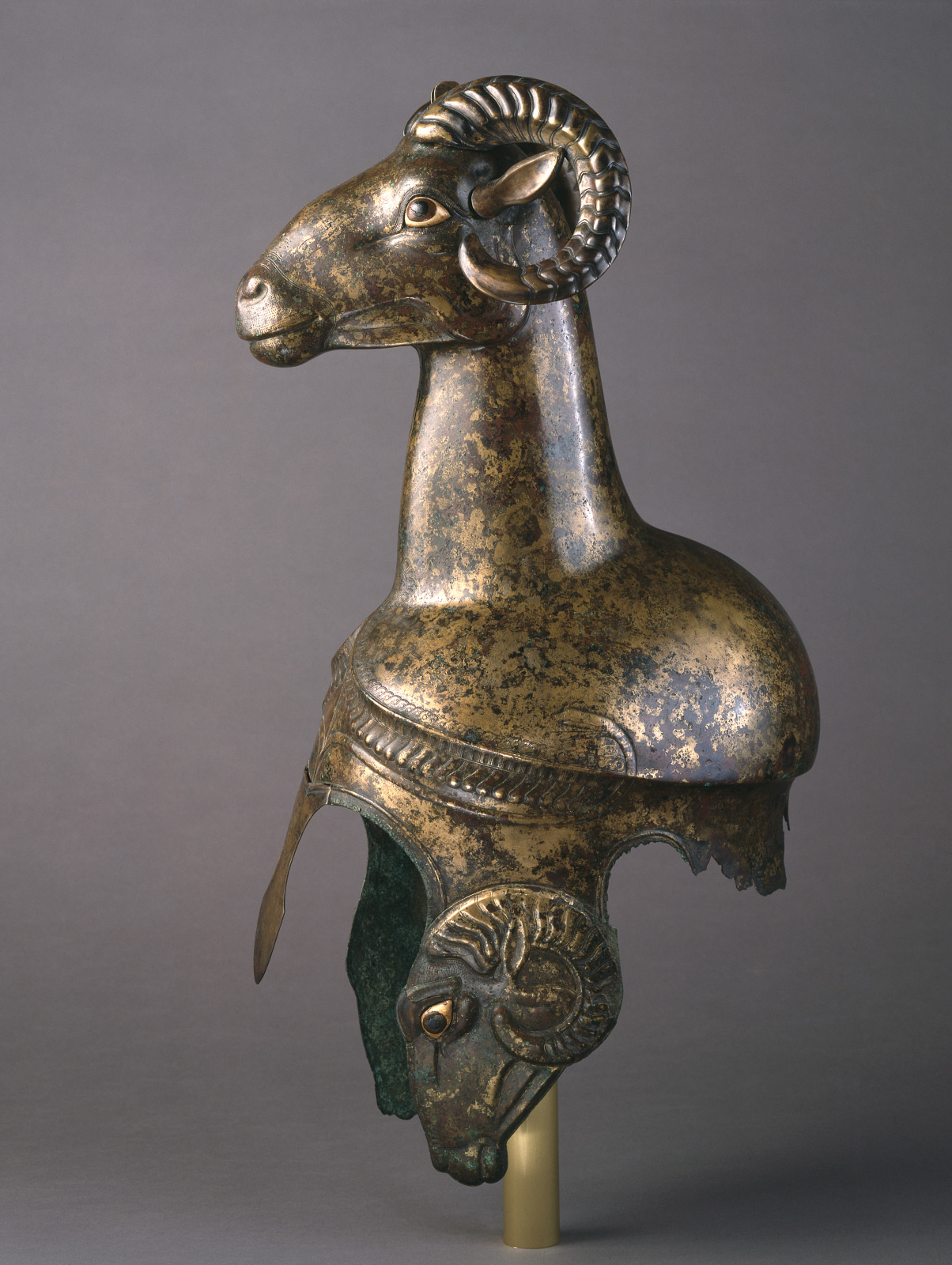
Helmet More Information
Let’s look at these helmets a little more closely. You can click on each helmet to expand it. Which helmet would you want to wear most?
Think about the helmet you selected
What about the design caused you to choose this helmet?
Share your reasons with a classmate, teacher, friend, or family member. Then, ask them to choose and share their choice with you.
Write
When artists, designers, scientists, and engineers develop new technology, they often need to help other people understand why they might want to use this technology and how it might help them in their lives. Imagine you have created the helmet you selected, and now you need to convince your peers that this helmet would be the best addition to their wardrobe. Write a sales pitch for your helmet. Look closely at the image of the helmet to identify what might be appealing to others. What about the design, materials, and function of the helmet make it a good choice?
Design
Design the next trend in headwear! Create an accessory that would be useful for students your age in daily life, such as at school or at home. What would it help you with? Draw a design for your headwear. Then create a prototype using paper or cardboard. A prototype is a sample created to test out an idea. It is often made from inexpensive, easily accessible materials.
Activity Extension
If you have a makerspace at your school, experiment with different technology to create samples of your headwear. For example, you might try 3D printing your helmet or creating laser-cut components for your design.
-
Image Credits
Image credits in order of appearance
Cap Helmet (kulah khud) with Design of Interlaced Vines, Arabic Inscriptions, and Mail Neck Curtain, 18th century; Persian, Zand period, or Qājār period, Iran; steel with gold overlay; height: 26 inches; Saint Louis Art Museum, Museum Purchase 70:1921
Italian; Morion-Cabasset Helmet, 1580–90; etched steel, brass, and modern leather; 11 3/4 x 14 5/8 x 9 3/4 in. (29.8 x 37.1 x 24.8 cm) weight: 2 lb. 3 oz. (1 kg); Saint Louis Art Museum, Museum Purchase 175:1926
Helmet (zhou), 13th–early 11th century BCE; Chinese, Shang dynasty; bronze; 9 1/2 x 7 1/8 x 8 3/4 inches; Saint Louis Art Museum, Museum Purchase 283:1949
Helmet, 525–500 BCE; Greek, South Italian, Archaic period; bronze with ivory and bronze restoration; 19 3/8 x 12 3/4 x 6 3/4 inches; Saint Louis Art Museum, Museum Purchase 282:1949.1