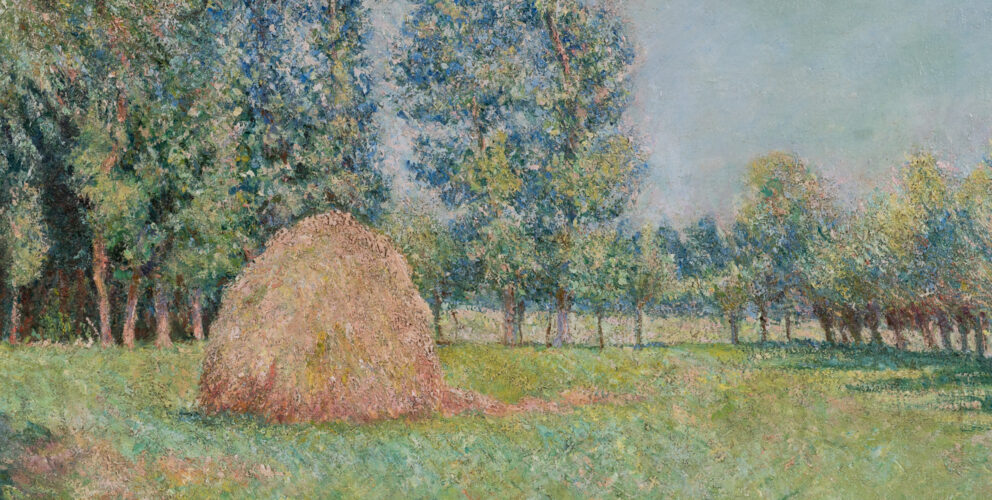
Visitors entering Impressionism: Selections from Five American Museums at the Saint Louis Art Museum in 1990
The “Blockbuster Exhibition” series highlights past exhibitions that had mass appeal, drawing 100,000 visitors or more.
With “Impressionism” in the title, overwhelmingly high exhibition attendance is almost guaranteed.
Case in point: Impressionism: Selections from Five American Museums saw close to 4,000 visitors per day over eight weeks in 1990, for a total of 192,113 people.

Visitors entering Impressionism: Selections from Five American Museums at the Saint Louis Art Museum in 1990
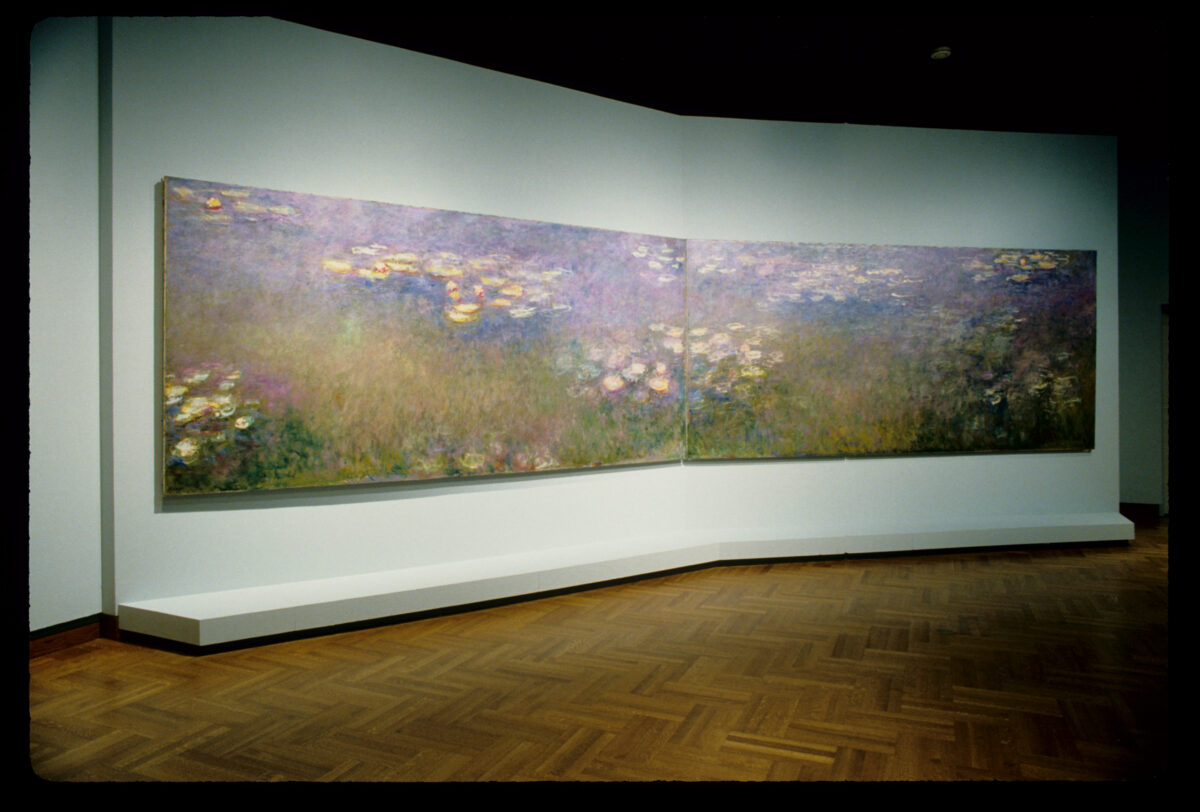
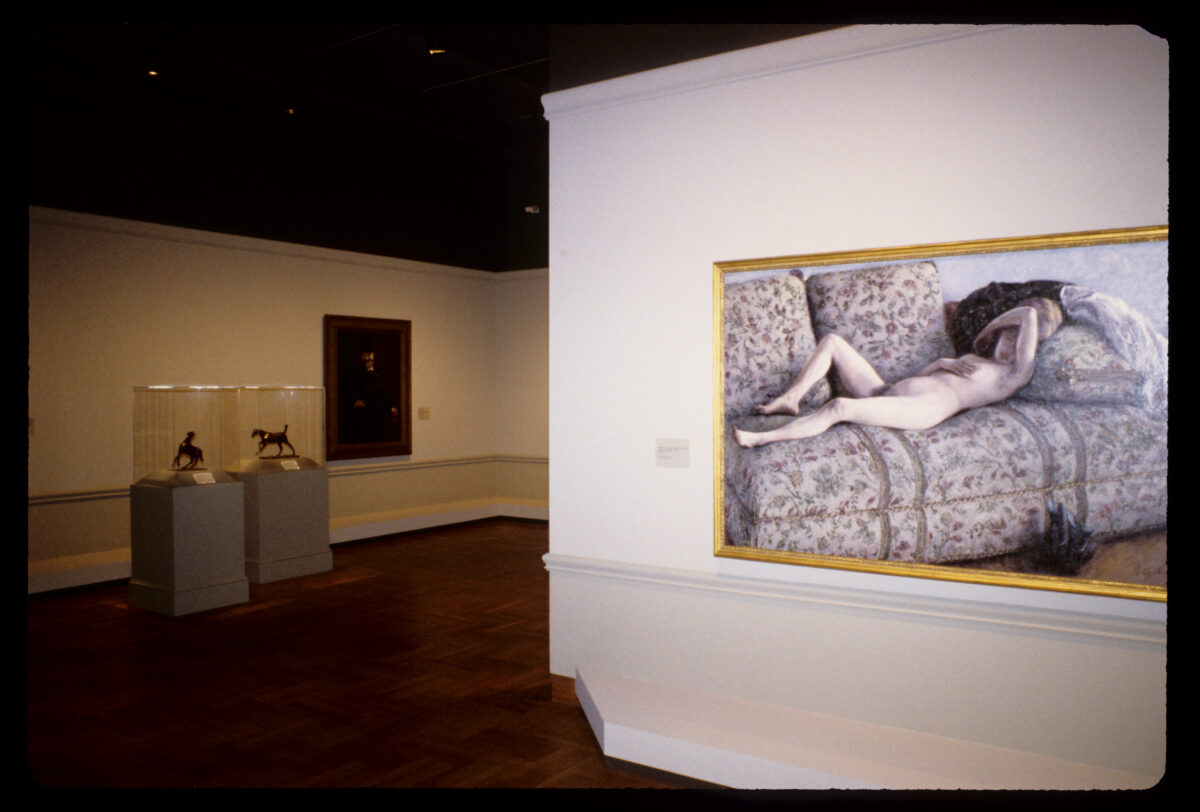
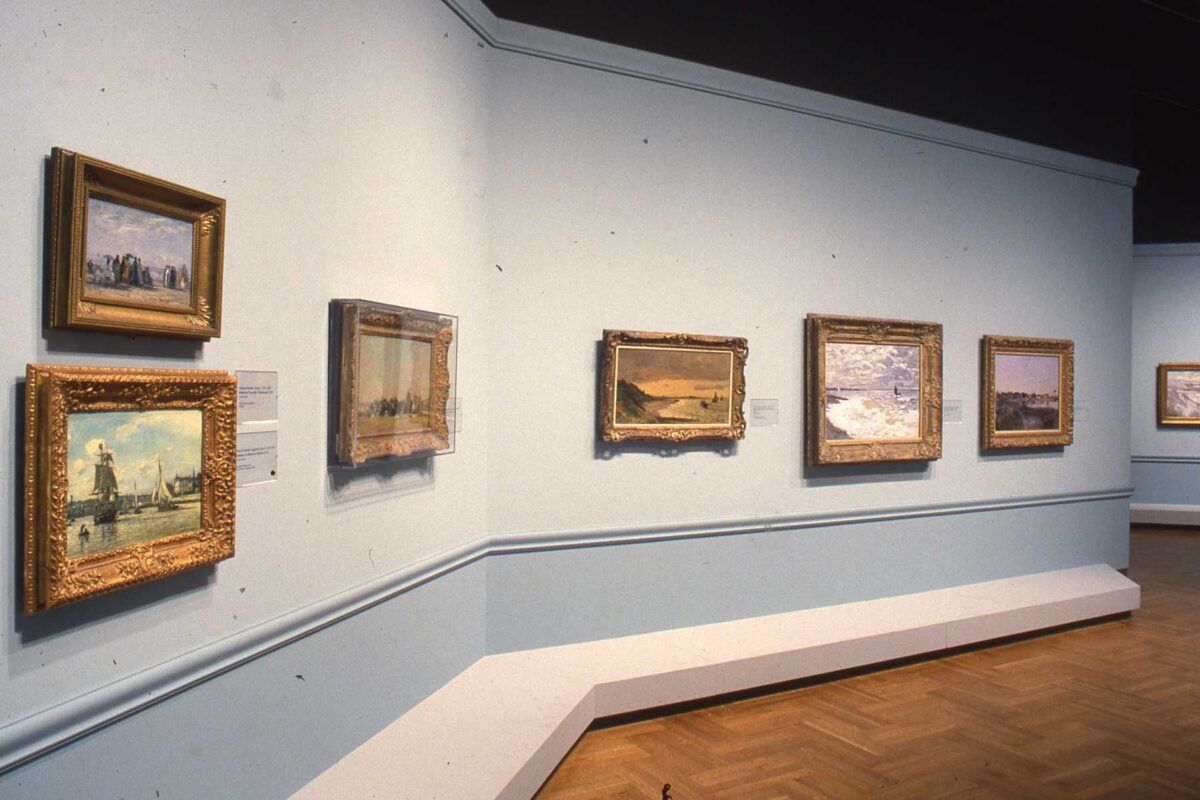
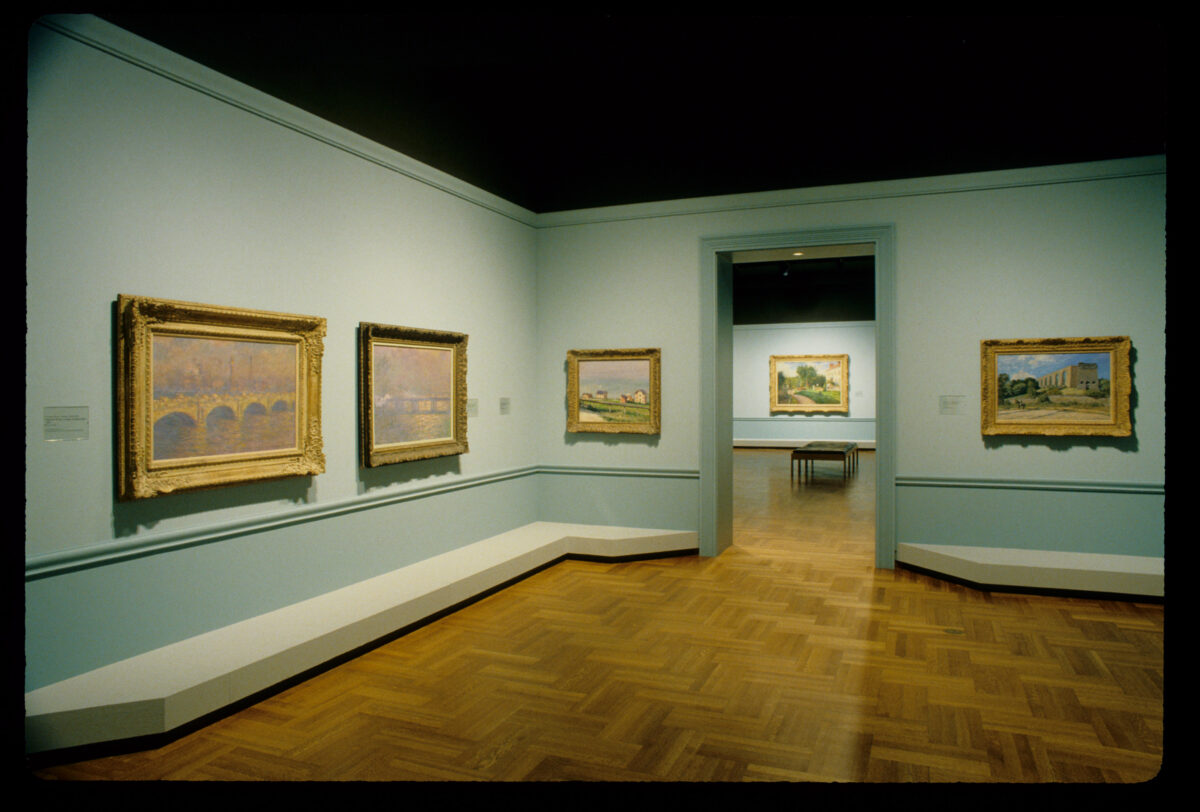
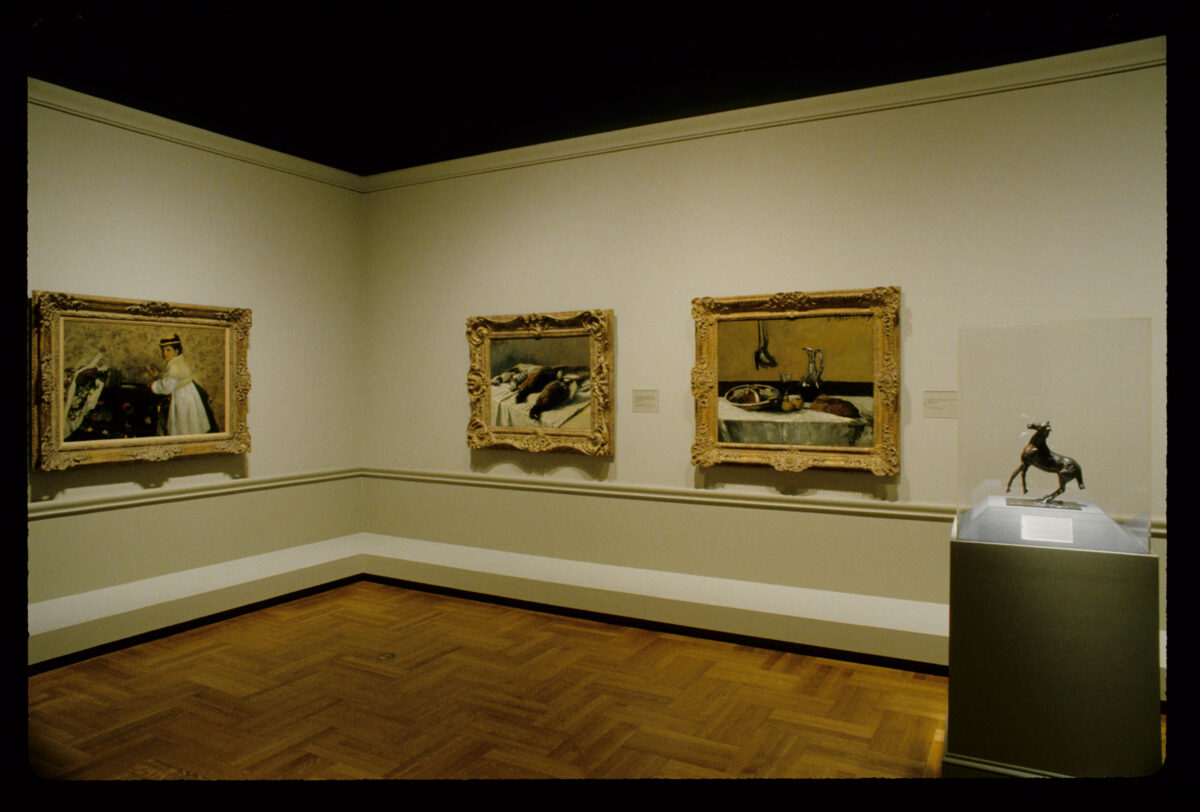
The exhibition combined acclaimed Impressionist artworks from the Saint Louis Art Museum, the Nelson-Atkins Museum of Art, the Minneapolis Institute of Arts, the Carnegie Museum of Art in Pittsburgh, and the Toledo Museum of Art. The collective holdings of the five museums produced a presentation with 85 paintings, pastels, and sculptures by 21 artists, and illustrated the history of the movement from the 1860s to the 1940s. Among the artists represented in the exhibition were Impressionist giants like Paul Cezanne, Edgar Degas, Paul Gauguin, Claude Monet, and Vincent van Gogh.
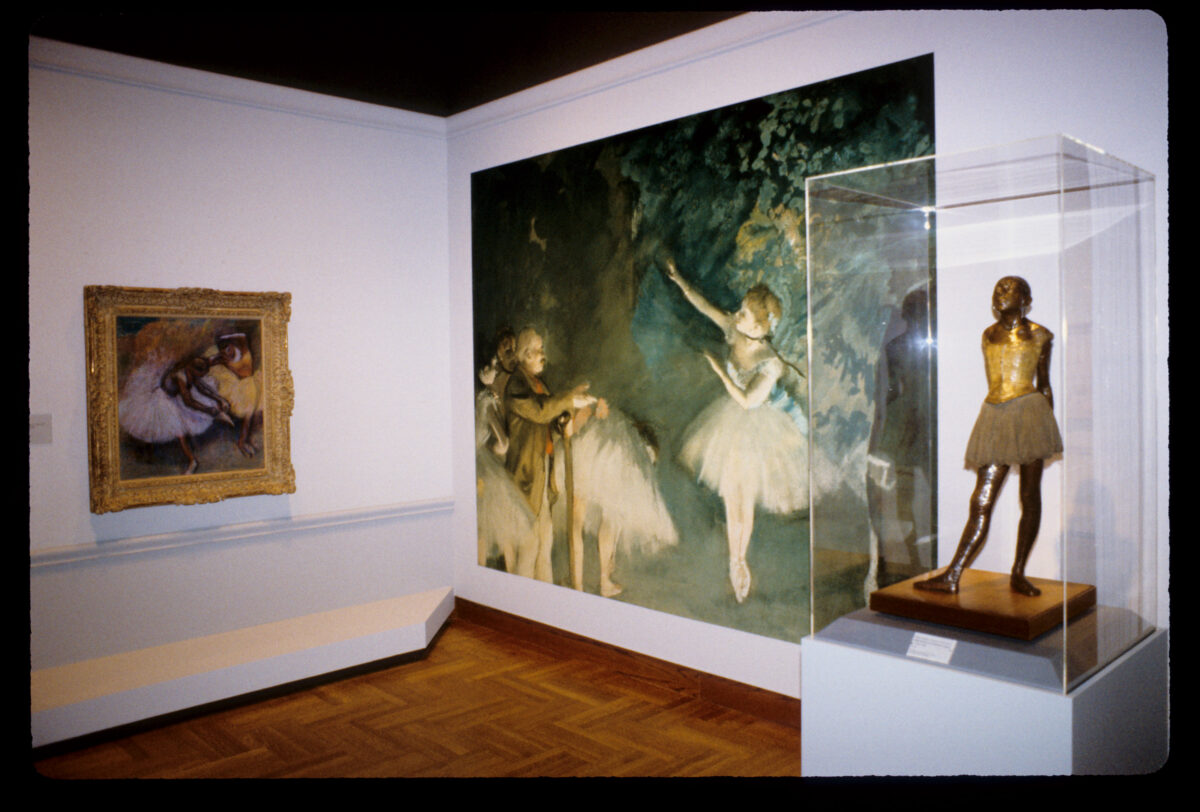
Of SLAM’s more-than-a-dozen contributions to the exhibition, works that remain crowd favorites more than 30 years later obviously made the cut, including Monet’s Water Lilies, Van Gogh’s Stairway at Auvers, and Degas’s Little Dancer of Fourteen Years.
-
Installation view of Impressionism: Selections from Five American Museums at the Saint Louis Art Museum in 1990
-
Installation view of Impressionism: Selections from Five American Museums at the Saint Louis Art Museum in 1990
-
Installation view of Impressionism: Selections from Five American Museums at the Saint Louis Art Museum in 1990
-
Installation view of Impressionism: Selections from Five American Museums at the Saint Louis Art Museum in 1990
-
Installation view of Impressionism: Selections from Five American Museums at the Saint Louis Art Museum in 1990
-
Installation view of Impressionism: Selections from Five American Museums at the Saint Louis Art Museum in 1990
What is Impressionism?
The label loosely refers to a group of French artists who, in the 1860s, rejected established styles and began experimenting with brighter palettes, unblended colors, and visible brushwork. Their subject matter was drawn from everyday life—bathers, seashores, ballet dancers, or landscapes—which was at odds with the French art establishment that urged artists to focus on themes from history, religion, or literature.
The first exhibition of works in this style was in 1874. It featured a painting by Monet called Impression, Sunrise. Criticism of the painting, which some thought was more of a sketch or impression rather than a finished painting, mockingly led to the label of Impressionism. Critics were skeptical of the movement, including an English painter who was quoted saying, “This craze will pass away as everything foolish and false does sooner or later.”

Claude Monet, French, 1840–1926; Charing Cross Bridge, 1903; oil on canvas; 28 3/4 × 41 inches; Saint Louis Art Museum, Museum Purchase 22:1915
By the late 1870s though, Monet and his contemporaries embraced the term Impressionists, and the movement continued to grow in popularity into the turn of 20th century. Locally, Impressionism was shown in the 1890s at the St. Louis Exposition and Music Hall, which once stood in the location of the St. Louis Central Library. The first major Impressionism exhibition opened at the Museum in December 1907. It was organized by Paul Durand-Ruel, the greatest art dealer of Impressionism in the late 19th and early 20th centuries.
The Museum’s collection of French Impressionist art started with purchases from Durand-Ruel in 1915. The first acquisition was Claude Monet’s Charing Cross Bridge, which was purchased during the artist’s lifetime. Within a year, the Museum purchased additional works from Durand-Ruel, paintings by Édouard Manet, Alfred Sisley, and Camille Pissarro.

2023 exhibition Monet/Mitchell: Painting the French Landscape
Today, the Museum’s collection of art by the Impressionists has well over a hundred works, and like in 1990, exhibitions focused on Impressionism are still exceptionally popular. Recent shows have included Monet/Mitchell: Painting the French Landscape in 2023; Impressionism and Beyond in 2022; Degas, Impressionism, and the Paris Millinery Trade in 2017, and Impressionist France: Visions of Nation from Le Gray to Monet in 2014.
Next month, the Museum opens Women Impressionists and the Land, the first exhibition to focus on landscape and nature imagery in the work of the women Impressionists. Rather than concentrating on the domestic subject matter of these artists, which has been widely discussed, this Museum-organized show explores the less-documented outdoor spaces that were painted by the key women in the group, particularly Berthe Morisot, Mary Cassatt, Marie Bracquemond, and Blanche Hoschedé-Monet.