Erica Richard leads a Family Sunday event.
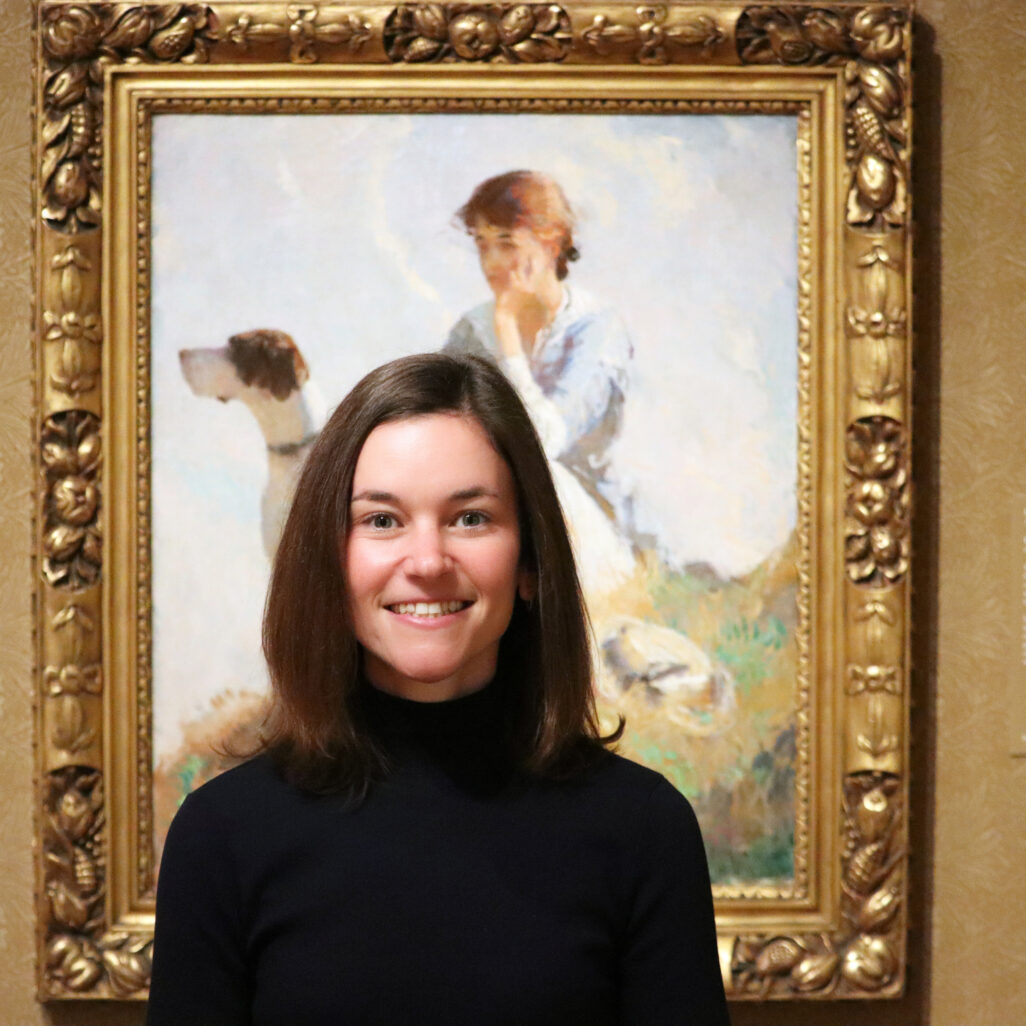
“My hope is that through the work we do at SLAM, families see the Museum as a space for connection, reprieve, joy, and most importantly, exploration,” said Erica Richard, associate educator, youth and family learning. Richard oversees youth and family programming at SLAM, which includes early childhood offerings for babies and toddlers. She also leads the Teen Arts Council and Museum Assistants program, both of which give young adults in St. Louis the opportunity to become more involved in SLAM’s programming. Additionally, Richard creates weekend programs that invite families to participate in innovative art experiences at the Museum, including Family Sunday and Winter Celebrations.
In a recent interview, Richard discussed her path toward becoming a SLAM educator, and how the Museum can be a place of transformation for individuals of all ages.

Erica Richard, associate educator, youth and family learning
What was your path toward having a career in Learning and Engagement at SLAM? What experiences made you decide to pursue this career in a museum setting?
I always loved art as a kid. I had a neighbor who was an artist, and I would visit her studio. It was this whole other magical world.
When I went to college, my parents told me to study something practical, so I studied marketing. I tried to do business for a while, then found my way back to school for art education. I believed art could have an impact on people and lead to transformative experiences.
At first, I got a teaching certificate and taught classroom art for five years, preschool through college. During this experience, I became engaged in contemporary art and educating teachers. I led a lot of professional development, which translated well to the museum field. When I went to graduate school, I decided to focus on museum education. This led to multiple opportunities, including teaching in summer camps at The Mini Time Machine Museum of Miniatures in Arizona.
Later, I led school and teacher programs at the Denver Art Museum. I ran field trips and teacher professional development. I started to look for growth opportunities, and I thought about how education could be integrated in less-structured settings. When I got my current position at SLAM, it was a natural next step.

Marquis Terrell Jackson, Erica Richard, and Tremont Pierre Davis at a Living With Art workshop on September 13, 2025. The program includes a series of workshops culminating in a Student Gallery presentation.
What are some of your most memorable programs since you started at the Museum?
One program that I’ve developed in the last couple years is close to my heart. Living With Art is a collaboration with local emerging artists and families. Families develop relationships with the artists, which empower them to explore art, whether as art collectors, creators, or community ambassadors. They have conversations with the artist about their process, and they also receive take-home kits that have conversation cards about the artwork; prompts to have experiences with and create works inspired by the art; a children’s book; and materials to experiment with that align with the artist’s process. After working with the artist, families take home a limited-edition print.
Another program I’ve enjoyed working on is our Baby Rave. This collaboration with Metro Theater Company has seen hundreds of people attend the first two events. It creates a space for babies, kids, and families to be themselves, and engage with the works of art and their bodies in visceral ways. The program happens at the beginning of the day, and it’s heartwarming to see the Museum doors open and have a flood of babies, strollers, and toddlers teetering in.

Erica Richard leads a family workshop with Urban Sprouts.
What sets SLAM apart from other art museums in terms of learning and engagement?
Hands down, the accessibility. In my previous roles at other museums, family programming was always a paid experience, whether through membership or a ticketed fee. At SLAM, we offer an incredible amount of programming that’s free and open to the public. There is no barrier; art is really for everyone.
People with small children might not think an art museum is for them. How do you respond to that sentiment?
First, I want to reassure them they’re not alone; many people have that reaction initially. My hope is that through the work we do at SLAM, families see the Museum as a space for transformation: for connection, reprieve, joy, and most importantly, exploration. There’s something for everyone to experience, and there’s not a right or wrong way to do that. For example, instead of planning a big trip and trying to see every work of art, you can see one work, dance at a program, or attend a family event over the weekend. The Museum can be a shared space outside the home where you can gather and experience life.

Eric Richard leads a Toddler and Me family program for 2026 Art in Bloom.
Why do you think it’s important to make an art museum approachable for children and young families?
I recently heard an inspirational quote by the late Carlina Rinaldi. Rinaldi was an early childhood scholar who wrote the book In Dialogue with Reggio Emilia: Listening, Researching and Learning. In her book, Rinaldi said, “The child is not a citizen of the future” but rather “a citizen from the very first moments of life.”
It’s important to recognize the contributions of young people to society and our own lives. Art and the Museum can create spaces for these inspirational moments to happen. By following the interests and passions of our youngest visitors, we can discover so much more about ourselves and each other. We need to create spaces where young people feel like they belong, because if they do, adults will feel like they belong there, too.
What do you want visitors to know about SLAM’s learning and engagement opportunities that they might not already know?
There’s something for everyone at SLAM. Our programming empowers individuals to experience art in a new, different way. It also helps families feel more comfortable doing a little exploration. During your visit, you may discover things you didn’t even know you were missing.